

Key Takeaways
- Weak airflow, warm air, strange noises, and rising energy bills are common warning signs that an AC system may need repair.
- Regular maintenance such as replacing air filters and cleaning outdoor units can improve cooling performance and reduce breakdown risks.
- Problems like refrigerant leaks, frozen coils, and water leaks should be addressed quickly to avoid more serious system damage.
- Uneven cooling and excess indoor humidity may indicate airflow issues, duct problems, or failing HVAC components.
- Older air conditioning systems may become less efficient and more expensive to repair over time.
- Preventive maintenance and early repairs often cost less than emergency service or full system replacement.
- Proper HVAC care helps improve comfort, energy efficiency, and the overall lifespan of the cooling system.
Air conditioning systems play a major role in keeping homes comfortable, especially during hot summer months. When an AC unit works properly, most people barely think about it. However, when problems begin, homeowners often notice rising temperatures, strange noises, poor airflow, or higher energy bills.
Ignoring small AC problems can lead to larger and more expensive repairs later. In some cases, delaying maintenance may even shorten the lifespan of the system. Recognizing early warning signs can help homeowners address issues quickly and avoid complete breakdowns during the hottest times of the year.
The good news is that many air conditioning problems show clear warning signs before major failure happens. Understanding these signs can help homeowners know when to call a professional and what steps to take next.
This guide explains common signs your AC needs repair, possible causes, and what homeowners can do to protect their HVAC systems and improve long-term performance.
Why AC Maintenance Matters
Air conditioners work hard to cool homes, especially during extreme heat.
Over time, components naturally wear down from:
- Constant use
- Dirt buildup
- Weather exposure
- Lack of maintenance
Regular maintenance helps:
- Improve cooling performance
- Lower energy bills
- Extend system lifespan
- Reduce repair costs
- Improve indoor comfort
Small maintenance issues often become larger problems if ignored for too long.
Weak Airflow From Vents
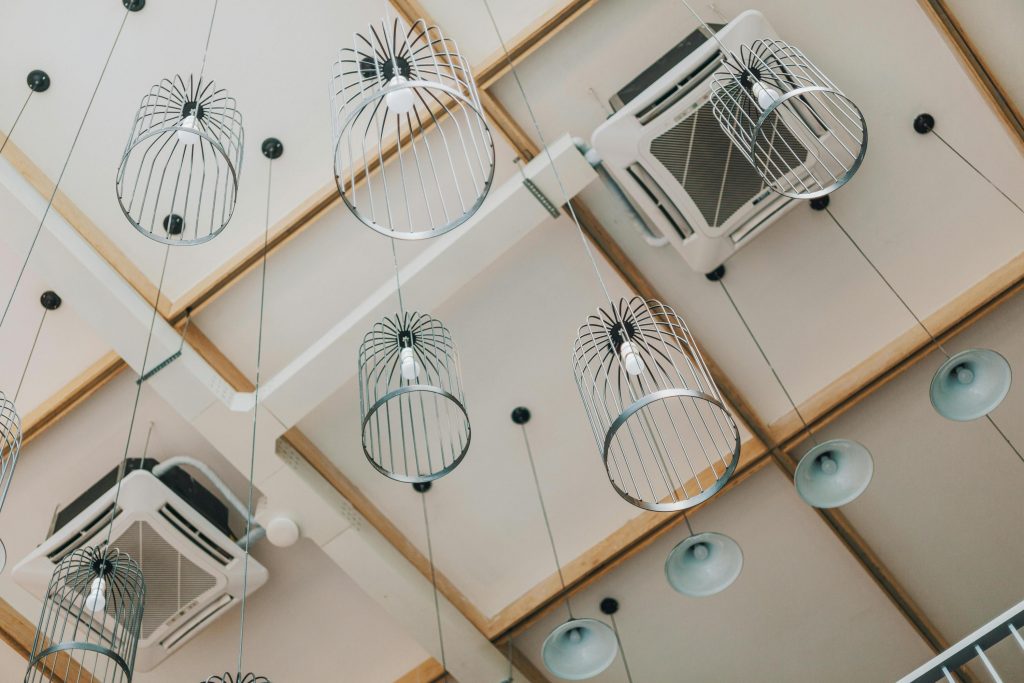
Weak airflow is one of the most common signs of AC trouble.
If air barely comes out of vents, the system may struggle to cool the home evenly.
Possible Causes of Weak Airflow
- Dirty air filters
- Blocked vents
- Duct leaks
- Failing blower motors
- Frozen evaporator coils
What to Do Next
Start by checking the air filter.
Dirty filters reduce airflow and force the system to work harder.
Filters should usually be replaced every:
- 1 to 3 months
If airflow remains weak after replacing the filter, contact an HVAC professional for inspection.
Warm Air Coming From the AC
An air conditioner should produce cool air consistently.
If warm or room-temperature air blows from the vents, something is wrong.
Possible Causes
- Thermostat issues
- Refrigerant leaks
- Compressor problems
- Electrical issues
- Dirty coils
What to Do Next
Check:
- Thermostat settings
- Circuit breakers
- Air filter condition
Make sure the thermostat is set to:
- Cooling mode
- Appropriate temperature
If warm air continues, professional repair may be necessary.
Strange Noises From the System
Air conditioners normally make some operating noise, but unusual sounds may signal mechanical problems.
Common Warning Sounds
Banging
May indicate loose or broken components.
Grinding
Could signal motor or bearing problems.
Squealing
May involve worn belts or motor issues.
Clicking
Occasional clicking is normal, but constant clicking may point to electrical problems.
What to Do Next
Turn off the system if loud or severe noises occur.
Continuing to run damaged equipment may worsen the problem.
Schedule professional inspection as soon as possible.
Bad Odors Coming From Vents
Unpleasant smells from the AC system should never be ignored.
Common AC Odors and Possible Causes
Musty Smells
May indicate:
- Mold
- Mildew
- Moisture buildup
Burning Smells
Could signal:
- Electrical problems
- Overheating components
Rotten Smells
Sometimes caused by pests or contamination inside ductwork.
What to Do Next
Replace the air filter and inspect visible vents.
Persistent odors often require professional cleaning or repair.
Indoor air quality problems can affect health and comfort.
Frequent Cycling On and Off
Air conditioners naturally cycle on and off during operation.
However, short cycling happens when the system turns on and off too frequently.
Possible Causes of Short Cycling
- Dirty filters
- Refrigerant problems
- Incorrect thermostat placement
- Oversized systems
- Electrical issues
Short cycling reduces efficiency and increases system wear.
What to Do Next
Check the thermostat location first.
Thermostats placed near heat sources may misread temperatures.
If the issue continues, professional diagnosis is recommended.
Higher Energy Bills
A sudden increase in electricity bills often signals HVAC problems.
An inefficient AC system uses more energy to maintain temperatures.
Possible Causes of Higher Bills
- Dirty filters
- Aging systems
- Refrigerant leaks
- Poor insulation
- Failing components
What to Do Next
Compare recent energy bills with previous months or years.
If costs rise significantly without major weather changes, schedule maintenance.
Energy-efficient systems help lower long-term utility expenses.
Uneven Cooling Throughout the Home
Some rooms may feel:
- Too warm
- Too cold
- Humid
- Uncomfortable
Uneven cooling often points to airflow or system issues.
Common Causes
- Duct leaks
- Poor insulation
- Blocked vents
- Aging systems
- Improper system sizing
What to Do Next
Check that vents remain open and unblocked.
Persistent uneven cooling may require professional duct inspection or system evaluation.
Excess Humidity Indoors
Air conditioners help remove humidity from indoor air.
If the home feels damp or sticky, the system may not be functioning properly.
Possible Causes
- Refrigerant problems
- Dirty coils
- Oversized AC systems
- Drainage issues
What to Do Next
Monitor humidity levels indoors.
Persistent moisture may lead to:
- Mold growth
- Musty odors
- Reduced comfort
Professional HVAC service may be needed to restore proper humidity control.
Water Leaks Around the Unit
Air conditioners naturally produce condensation, but visible leaks are not normal.
Common Causes of Water Leaks
- Clogged condensate drains
- Frozen evaporator coils
- Broken drain pans
- Dirty filters
What to Do Next
Turn off the system if large leaks appear.
Water damage can affect:
- Flooring
- Walls
- Ceilings
Prompt repair helps prevent additional home damage.
Frozen Evaporator Coils
Frozen coils prevent proper cooling and airflow.
Signs of Frozen Coils
- Ice buildup
- Reduced airflow
- Warm air from vents
- Water leaks after thawing
Common Causes
- Dirty filters
- Low refrigerant
- Airflow restrictions
What to Do Next
Turn off the AC and allow coils to thaw.
Replace the air filter and contact a professional if freezing returns.
Thermostat Problems
Sometimes the AC system itself works properly, but the thermostat malfunctions.
Signs of Thermostat Issues
- Incorrect temperature readings
- AC not turning on
- Constant cycling
- Unresponsive controls
What to Do Next
Check:
- Thermostat batteries
- Programming settings
- Calibration
Smart thermostats may also require software updates occasionally.
Aging Air Conditioning Systems
Most air conditioners last around:
- 10 to 15 years
Older systems often experience:
- More repairs
- Reduced efficiency
- Higher operating costs
Signs It May Be Time for Replacement
- Frequent breakdowns
- Rising repair costs
- Poor cooling performance
- High energy bills
Sometimes replacement becomes more cost-effective than repeated repairs.
Importance of Regular HVAC Maintenance
Routine maintenance helps catch small issues early.
Professional HVAC maintenance often includes:
- Coil cleaning
- Refrigerant checks
- Electrical inspections
- Filter replacement
- Drain cleaning
Regular service improves both reliability and efficiency.
DIY Maintenance Homeowners Can Handle
Some AC maintenance tasks are beginner-friendly.
Basic DIY Maintenance Tasks
- Replace filters
- Clear debris around outdoor units
- Keep vents open
- Clean visible dust
- Check thermostat settings
However, electrical or refrigerant repairs should always be handled by professionals.
Keep the Outdoor Unit Clean
Outdoor condenser units need proper airflow.
Leaves, dirt, grass, and debris can block airflow and reduce performance.
Outdoor Unit Maintenance Tips
- Trim nearby plants
- Remove debris regularly
- Keep at least two feet of clearance
A clean outdoor unit operates more efficiently.
Watch for Refrigerant Problems
Refrigerant is essential for cooling.
Low refrigerant may cause:
- Warm air
- Frozen coils
- Hissing noises
- Reduced efficiency
Refrigerant leaks require professional repair.
Simply adding refrigerant without fixing leaks usually will not solve the problem long-term.
Understand Repair vs. Replacement
Sometimes homeowners must decide between repairing or replacing their AC system.
Repair May Be Better If
- The system is relatively new
- Repairs are minor
- Efficiency remains good
Replacement May Be Better If
- Repairs are frequent
- The system is very old
- Energy bills are high
- Cooling performance is poor
An HVAC technician can help evaluate long-term costs and efficiency.
Choosing the Right HVAC System Matters
Homeowners researching how to choose HVAC systems should consider factors such as:
- Home size
- Energy efficiency ratings
- Climate
- Ductwork condition
- Budget
Proper system sizing is especially important because oversized or undersized systems may reduce efficiency and comfort.
Energy-efficient systems may cost more initially but often lower utility bills over time.
Improve Energy Efficiency Alongside Repairs
Home comfort also depends on the overall condition of the home.
Other improvements may help reduce HVAC strain, including:
- Better insulation
- Sealed air leaks
- Thermal curtains
- Ceiling fans
- Energy-efficient windows
Supporting the HVAC system with energy-saving upgrades improves overall performance.
Preventative Maintenance Saves Money
Preventive care is usually cheaper than emergency repairs.
Simple maintenance habits may help:
- Reduce breakdowns
- Extend equipment life
- Lower monthly energy costs
Waiting until the AC stops working completely often leads to more expensive repairs.
Signs You Need Emergency HVAC Service
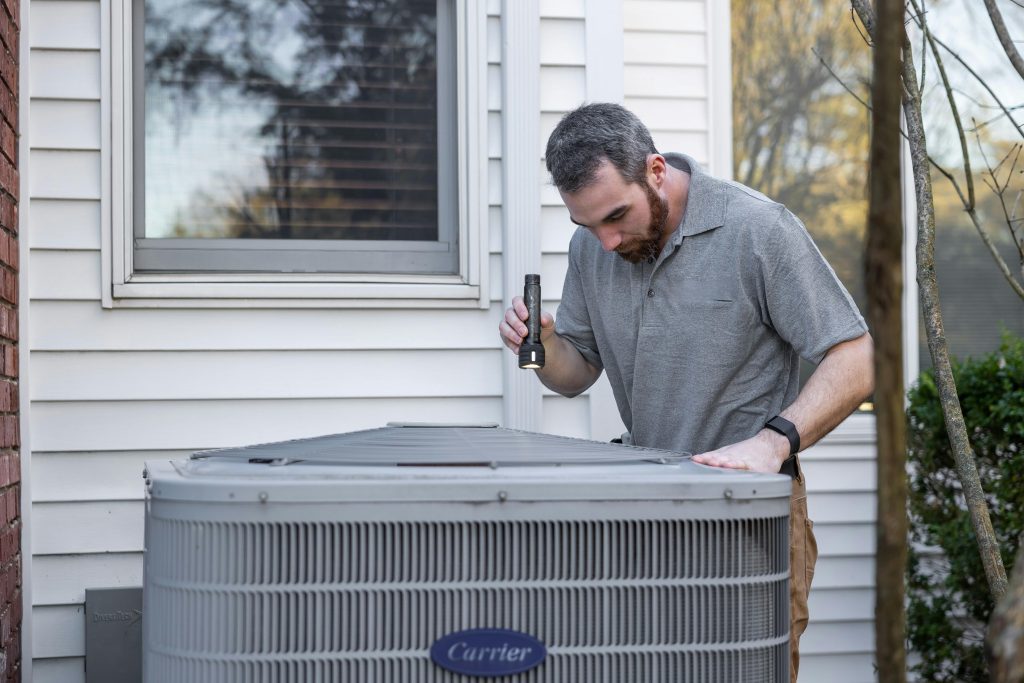
Some problems require immediate attention.
Call for emergency service if you notice:
- Burning smells
- Electrical sparks
- Complete system failure during extreme heat
- Major water leaks
- Loud grinding or banging sounds
Ignoring serious warning signs may damage the system further or create safety risks.
Prepare for Seasonal Changes
AC systems work hardest during summer.
Before hot weather arrives:
- Replace filters
- Schedule maintenance
- Clean outdoor units
- Test thermostat operation
Preparing early helps reduce the risk of breakdowns during peak heat.
Final Thoughts
Recognizing the signs your AC needs repair can help prevent larger problems, improve home comfort, and reduce long-term costs. Warning signs such as weak airflow, warm air, unusual noises, water leaks, humidity problems, and rising energy bills often indicate that the system needs attention.
Regular maintenance, quick repairs, and proper system care all help extend the lifespan of an air conditioner while improving efficiency and reliability. Small problems are usually easier and less expensive to fix when caught early.
By paying attention to how your AC system performs and scheduling professional maintenance when needed, homeowners can keep their homes cooler, more comfortable, and more energy-efficient throughout the year.