


Every property is shaped by how it handles water. Rain must be shed by the shingles and carried away from the foundation, irrigation must nourish turf and beds without saturating the soil near the house, and supply, hot water, and wastewater systems must move every gallon the household uses without leaking or backing up. Outdoor water features add enjoyment but require careful balance. When water works for a home, it supports comfort, health, and curb appeal. When it works against a home, it rots framing, undermines hardscapes, and invites insects and mold.
Shielding the shell, tending the grounds, and keeping water working for the household requires attention at every level of the property. A sound shell keeps weather out of the structure, while healthy canopies, sturdy outdoor surfaces, and efficient irrigation keep the grounds attractive and stable. Inside and below grade, reliable plumbing, well-maintained storage tanks, and properly serviced wastewater systems keep water moving where it belongs. When renovations reveal hidden damage, correcting it before new finishes go in protects the investment. Each layer supports the others, creating a home that stays dry, comfortable, and valuable for decades.
Replacing Brittle Shingles and Renewing Valley Flashing
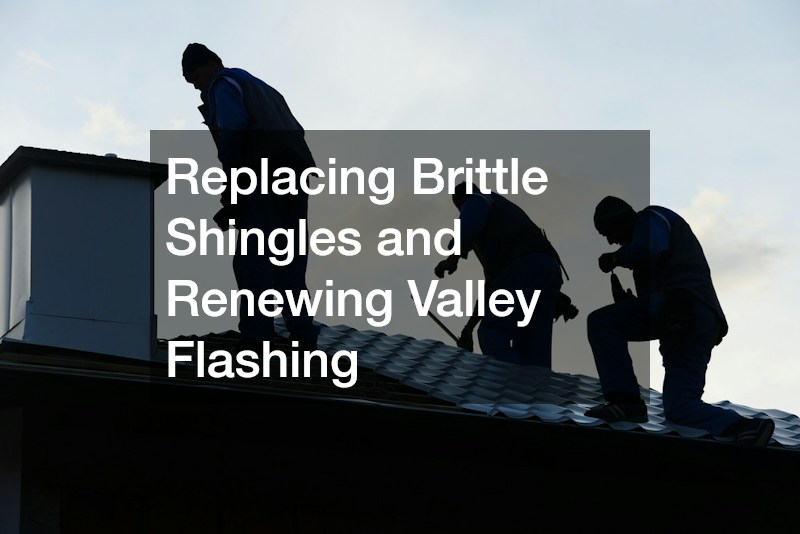
Asphalt shingles near the end of their service life lose the oils that keep them flexible. They curl, crack, and shed granules, exposing the fiberglass mat to ultraviolet damage and allowing water to reach the underlayment. Valleys, which carry concentrated runoff from two slopes, often fail first as metal flashing corrodes, woven shingles crack where they bend, and debris collects in the channel. Water that slips through these weak points soaks decking and insulation and eventually stains ceilings below.
Professional local roofing crews strip worn shingles and underlayment down to the deck, replacing soft or delaminated sheathing with new plywood or OSB. Ice-and-water membrane is applied along eaves, valleys, and penetrations, and synthetic underlayment covers the remaining deck. Valleys receive new W-style metal flashing or properly woven shingles that carry water efficiently, and step flashing and pipe boots are replaced throughout. Architectural shingles fastened to manufacturer specifications and balanced intake and ridge ventilation complete a watertight shell.
Pruning Crowded Canopies and Removing Hazardous Specimens
Mature canopies frame a property beautifully, but unmanaged growth creates hazards for the shell and the grounds. Crowded crowns catch more wind and break more easily during storms. Dense shade keeps shingles damp and starves turf and beds of sunlight. Limbs reaching over the house drop debris into drainage channels and give rodents a bridge onto the eaves. Specimens with internal decay, weak unions, or failing roots can drop heavy limbs or topple entirely, threatening the house, vehicles, and outdoor living areas.
Experienced local tree services begin with an arborist’s assessment that identifies healthy specimens worth preserving and those that pose real risk. Crowded canopies are thinned and raised following ANSI A300 standards, with clean cuts made just outside the branch collar and limbs pruned back to maintain clearance from the house. Hazardous specimens are dismantled in controlled sections using rigging, lowering ropes, or cranes. Stumps are ground below grade, and debris is chipped and hauled away, leaving the grounds safer and healthier.
Sealing Rodent Entry Gaps and Treating Hidden Harborages
Rodents and insects follow water and shelter. Mice can slip through gaps about the width of a pencil, while rats need only slightly more, entering through openings around utility lines, unscreened vents, damaged soffits, and worn door sweeps. Damp crawlspaces, leaking pipes, and mulch piled against siding draw insects toward the foundation. Once inside, rodents chew wiring and contaminate insulation, while roaches, ants, and silverfish settle into harborages behind appliances, beneath sinks, and inside wall voids.
Licensed exterminators begin with a thorough inspection of the exterior and interior, mapping entry points, runways, and nesting areas through droppings, rub marks, and moisture readings. Gaps are sealed with steel mesh, copper wool, metal flashing, and durable sealants, and vents receive heavy-gauge hardware cloth. Traps and secured bait stations reduce rodent populations, while targeted gel baits, dusts, and insect growth regulators treat hidden harborages. Correcting leaks and improving crawlspace ventilation remove the moisture that attracted pests in the first place.
Balancing Water Chemistry and Servicing Filtration Equipment

A backyard swim area keeps water working for the household only when its chemistry and equipment are carefully managed. Low pH and alkalinity make water corrosive, etching plaster and damaging heaters and metal fittings, while high pH and calcium hardness deposit scale on tile and inside plumbing. Low sanitizer levels allow algae and bacteria to bloom. Meanwhile, pump seals leak, motors overheat, filters clog or tear, and valves stick, reducing circulation and wasting energy.
A dependable local pool company begins with testing and balancing water chemistry, keeping pH near 7.4 to 7.6, total alkalinity between 80 and 120 ppm, and calcium hardness and stabilizer within recommended ranges. Sanitizer levels are adjusted, and surfaces are brushed and vacuumed. Filtration equipment is serviced by cleaning or replacing cartridges, backwashing sand or DE filters, inspecting pump seals and motor amperage, and checking valves and pressure gauges. Upgrading to a variable-speed pump cuts energy use dramatically while improving circulation.
Flushing Sediment Buildup and Testing Relief Valves
Storage tanks accumulate minerals with every gallon they heat. Calcium and magnesium settle on the bottom, insulating the burner or element from the water above, so the tank runs longer, rumbles as steam bubbles through the sediment, and overheats the steel until the glass lining cracks. The temperature and pressure relief valve at the top of the tank is the final safety device, but mineral buildup can seize it, leaving the tank unprotected if a thermostat fails and pressure builds.
Prompt water heater repair begins with shutting off power or gas, draining the tank, and flushing it until the discharge runs clear. The relief valve is tested by lifting its lever to confirm water flows freely and the valve reseats properly, and any valve that sticks or drips constantly is replaced. The anode rod is inspected and replaced when depleted, failing elements or thermocouples are replaced, and an expansion tank is added where required. The thermostat is set near 120 degrees for safety and efficiency.
Tracing Hidden Leaks and Replacing Seized Shutoff Valves
Supply lines run through walls, floors, and slabs, and their failures often stay hidden until damage is extensive. Pinhole leaks in copper, corroded galvanized pipe, and loose fittings soak framing and subfloors, feed mold, and raise water bills. Older multi-turn shutoff valves under sinks and toilets and at the main supply corrode and seize from mineral buildup, leaving homeowners unable to stop the flow when a leak finally appears and turning a small problem into a flooded room.
A licensed plumber traces hidden leaks with acoustic listening equipment, thermal imaging, and isolation pressure tests that pinpoint the failure before walls or floors are opened. Damaged sections are replaced with PEX-A tubing and cold-expansion fittings or Type L copper, rerouted through attics or interior walls where slabs are involved. Seized valves are replaced with quarter-turn ball valves and braided stainless steel connectors, and the main shutoff is upgraded. A pressure-reducing valve and a smart leak detector with automatic shutoff add further protection.
Pumping Settled Sludge and Inspecting Outlet Baffles
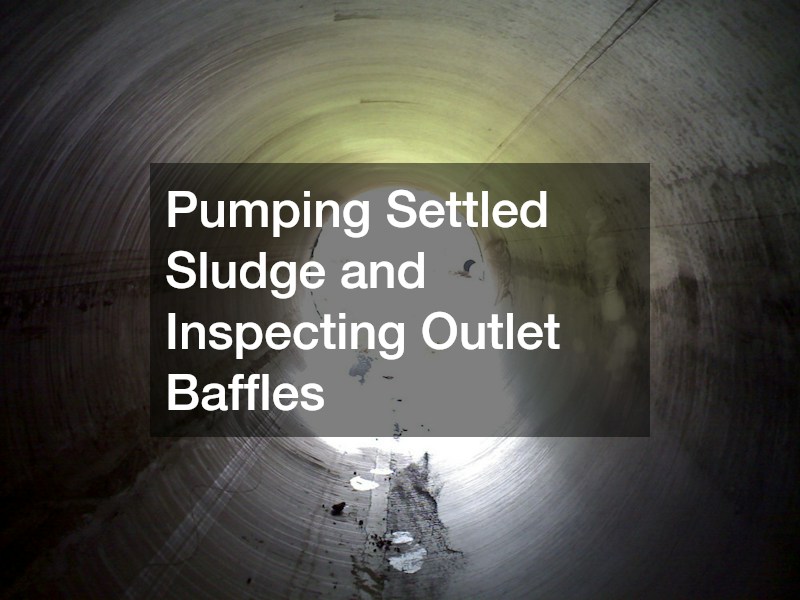
Buried wastewater tanks rely on separation to protect the drainfield. Heavy solids settle as sludge, grease and soap rise as scum, and the clear effluent between them flows out to the absorption field. When a tank goes too long without service, the clear zone shrinks and solids escape into the field, clogging soil pores. Concrete outlet baffles corrode from hydrogen sulfide gas, and once they fail, floating scum passes directly into the distribution lines.
Routine septic tank service begins with locating and exposing the access lids, then measuring sludge and scum depths to determine how quickly the tank is filling. The tank is pumped completely through the main lid, and technicians inspect the inlet and outlet baffles, tank walls, and effluent filter. Corroded baffles are replaced with PVC sanitary tees, filters are cleaned, and risers can be installed to bring lids to grade. Most households need this work every three to five years to keep wastewater flowing reliably away from the house.
Stripping Interiors to the Studs and Exposing Hidden Damage
Older homes often hide decades of problems behind finished walls and floors. Slow plumbing leaks rot framing and subfloors, outdated wiring and missing insulation sit concealed in cavities, and mold spreads unseen where moisture has lingered. Covering these problems with new finishes only traps them, allowing decay to continue until it surfaces as soft floors, stained ceilings, or electrical hazards. Renovations built over hidden damage rarely last.
Experienced gutting contractors strip interiors down to the studs and subfloor, exposing framing, plumbing, wiring, and ductwork for full inspection. Debris is removed under dust and mold containment, and moisture meters and thermal imaging help trace the extent of water damage. Rotted framing and sheathing are replaced, mold-contaminated materials are removed and remaining surfaces treated, and outdated wiring and piping are flagged for replacement. With the structure sound and the cavities open, insulation, air sealing, and new systems can be installed correctly before finishes go back in.
Compacting Aggregate Bases and Building Drained Retaining Walls
Outdoor living surfaces depend on what lies beneath them. Patios and walkways laid over thin or poorly compacted bases settle into ruts and dips, joints open, and weeds and ants move into the gaps. Retaining walls hold back tons of soil that grows heavier when saturated, and walls built without drainage or proper footing lean, bulge, and eventually collapse. Poorly graded surfaces can also send runoff toward the house, saturating the soil along the foundation.
A skilled hardscaping contractor excavates to the required depth, installs geotextile fabric, and builds a crushed aggregate base compacted in lifts with a plate compactor, followed by a screeded sand bedding layer and tightly set pavers. Edge restraints lock the field in place, polymeric sand stabilizes the joints, and surfaces are pitched away from the house. Retaining walls are built on compacted gravel leveling pads, reinforced with geogrid at engineered intervals, and backfilled with drainage stone around a perforated pipe that relieves pressure behind the wall.
Zoning Irrigation Coverage and Installing Smart Rain Sensors

Watering by hand or with hose-end attachments rarely delivers consistent moisture. Some areas are overwatered, saturating soil near the foundation and encouraging fungal disease, while others dry out and thin. Turf, shrubs, and garden beds have different needs, and watering them the same way wastes water and weakens plants. Systems that run on fixed timers regardless of weather often water during or right after storms, adding runoff and raising utility bills.
A well-designed sprinkler system begins with dividing the property into zones based on plant type, sun exposure, and soil conditions. Rotors and spray heads are spaced for head-to-head coverage on turf, while drip lines deliver water directly to the roots of shrubs and beds. Supply laterals are trenched and connected through a backflow preventer to protect the potable supply. A smart controller paired with rain and soil moisture sensors skips cycles after rainfall and adjusts schedules automatically, keeping the grounds healthy while directing water away from the foundation.
A home thrives when water is managed with intention at every level. A sound shell sheds rain, managed canopies reduce debris and hazards, and well-built outdoor surfaces and efficient irrigation keep the grounds stable and attractive. Inside and below grade, leak-free supply lines, working shutoffs, a well-maintained storage tank, and a serviced wastewater system keep water moving where it should. Sealing out pests and correcting hidden damage during renovations protect the structure from the problems that moisture tends to bring.
Keeping everything in balance requires a steady routine. Seasonal inspections of shingles and valleys, regular pruning, annual tank flushing, periodic wastewater pumping, routine water chemistry checks, irrigation adjustments, and ongoing pest monitoring catch problems while they are still small. Addressing hidden damage before finishing new spaces ensures that improvements rest on a sound foundation.
The reward is a property that stays dry, healthy, and beautiful for decades. The shell remains watertight, the grounds stay green and stable, and every system inside the home performs reliably. By shielding the shell, tending the grounds, and keeping water working for them, homeowners create a place that supports their household through every season.