

Introduction: Building a Smart, Proactive Approach to Home Improvement
A well-maintained home doesn’t happen by accident—it’s the result of consistent attention, thoughtful planning, and a clear understanding of how different systems work together. From plumbing and flooring to climate control and interior upgrades, every part of your home contributes to comfort, efficiency, and long-term value. When one system is neglected, it often creates stress on others, leading to larger and more expensive problems over time.
Taking a proactive approach allows homeowners to stay ahead of these issues. Instead of reacting to breakdowns or damage, you can identify warning signs early, plan improvements strategically, and make informed decisions that support your home as a whole. This mindset not only reduces unexpected costs but also creates a more stable and enjoyable living environment.
This guide is designed to walk you through the most important areas of home improvement and maintenance, offering practical insights and actionable strategies. Whether you’re dealing with urgent repairs or planning long-term upgrades, understanding how to manage your home efficiently will help you protect your investment and improve your quality of life. It also empowers you to communicate more effectively with contractors, prioritize projects with confidence, and avoid the stress that often comes with unplanned repairs.
Start with a Whole-Home Assessment and Maintenance Plan
Before beginning any major repair or upgrade, it’s essential to evaluate the current condition of your home. A thorough assessment helps you identify both visible issues and hidden concerns that may develop into larger problems.
Start by inspecting:
- Plumbing fixtures for leaks, corrosion, or pressure issues
- Walls and ceilings for stains or cracks
- Floors for uneven surfaces or wear
- Exterior areas for drainage problems and structural damage
Once you’ve identified potential concerns, organize them into categories:
- Immediate issues requiring urgent attention
- Short-term improvements within the next year
- Long-term upgrades that enhance value and efficiency
Creating a seasonal maintenance plan can help you stay on track:
- Spring: exterior inspections and cleaning
- Summer: renovations and upgrades
- Fall: weatherproofing and system checks
- Winter: interior maintenance and monitoring
This structured approach ensures that no critical tasks are overlooked and helps you manage both time and budget effectively. It also creates a clear roadmap for future improvements, making it easier to prioritize projects and allocate resources where they will have the greatest impact.
Handle Urgent Plumbing Issues Before They Escalate
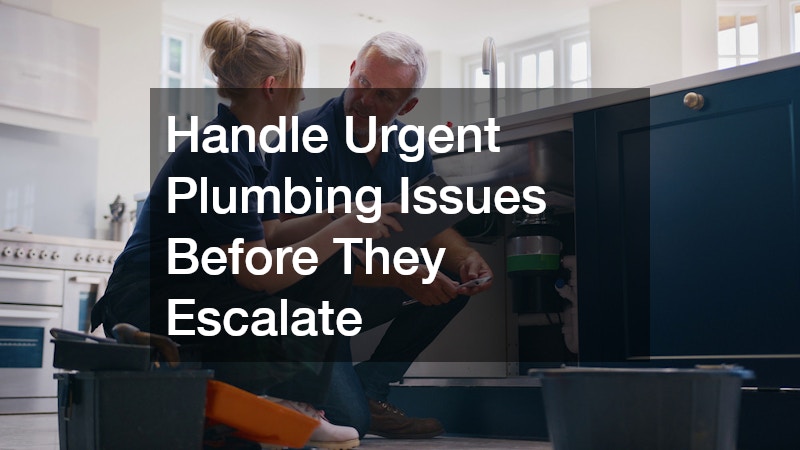
Plumbing emergencies can disrupt your home quickly and cause significant damage if not addressed immediately. From burst pipes to overflowing fixtures, these situations require fast action and professional expertise.
An emergency plumber is equipped to handle urgent issues and prevent further damage. Common emergencies include:
- Burst or leaking pipes
- Sewage backups
- Overflowing toilets
- Sudden loss of water pressure
While waiting for professional assistance, homeowners can take temporary steps:
- Shut off the main water supply
- Remove excess water to prevent damage
- Avoid using affected fixtures
Routine plumbing repair is equally important for preventing emergencies. Small leaks, slow drains, or unusual noises may seem minor but often indicate deeper issues.
Preventative tips include:
- Inspecting pipes regularly
- Avoiding flushing inappropriate materials
- Addressing small leaks immediately
- Scheduling periodic professional inspections
By staying proactive, you can reduce the likelihood of sudden disruptions and maintain a reliable plumbing system. In addition, keeping an updated understanding of your plumbing layout—such as knowing where shut-off valves are located—can save valuable time during emergencies and minimize damage.
Keep Drains Clear and Plumbing Systems Flowing Efficiently
Clogged drains are one of the most common household issues, but they can also lead to more serious plumbing problems if left untreated. Slow drainage, unpleasant odors, and recurring clogs are signs that buildup is affecting your system.
Professional drain cleaning services use specialized tools to remove debris, grease, and mineral buildup that can restrict water flow. This process helps restore efficiency and prevent long-term damage.
Common causes of clogs include:
- Grease and food particles in kitchen drains
- Hair and soap residue in bathroom drains
- Foreign objects accidentally flushed
To prevent clogs:
- Use drain covers to catch debris
- Avoid pouring grease down sinks
- Flush drains with hot water regularly
Routine maintenance ensures that your plumbing system operates smoothly and reduces the risk of costly repairs. Regular cleaning also improves overall sanitation and helps eliminate bacteria that may develop in stagnant water or buildup. In addition to these practices, it’s helpful to establish a monthly maintenance routine that includes flushing drains with a mixture of hot water and mild cleaning agents to break down early buildup.
For deeper prevention, consider these additional strategies:
- Avoid using harsh chemical cleaners that can damage pipes over time
- Periodically inspect exposed pipes for early signs of blockage or corrosion
- Educate household members on proper disposal habits to prevent misuse
Professional inspections can also identify underlying issues such as tree root intrusion, pipe misalignment, or aging plumbing materials. Addressing these problems early prevents recurring clogs and ensures your entire system functions efficiently. Taking a proactive approach not only extends the life of your plumbing but also reduces the likelihood of unexpected disruptions.
Ensure Reliable Hot Water for Daily Use
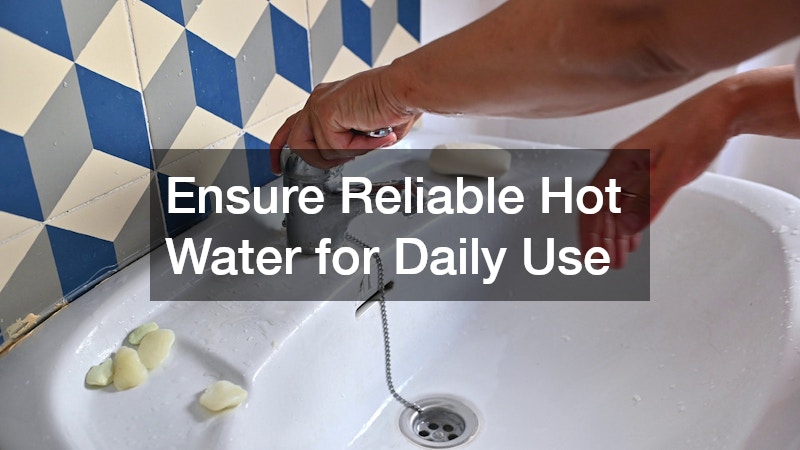
Hot water is essential for daily comfort, from bathing to cleaning and cooking. When systems become outdated or inefficient, performance declines and energy costs increase.
Proper water heater installation ensures that your system is suited to your household’s needs. Factors to consider include:
- Household size and water usage
- Energy efficiency ratings
- Available space for installation
Modern systems offer improved performance and energy savings, making upgrades a valuable investment. Homeowners can choose between traditional tank systems and tankless options, each offering unique advantages depending on usage patterns and space constraints.
Signs that replacement may be needed:
- Inconsistent water temperatures
- Unusual noises
- Rust-colored water
- Rising energy bills
Regular maintenance, such as flushing the tank and checking components, helps extend system lifespan and maintain efficiency. Investing in a modern system can also reduce environmental impact by improving energy usage and minimizing waste.
Additional tips for optimizing performance include:
- Insulating hot water pipes to reduce heat loss
- Setting the thermostat to an efficient temperature
- Scheduling annual professional inspections
By maintaining your system properly and upgrading when necessary, you can ensure a consistent and reliable hot water supply while keeping operating costs under control.
Respond Effectively to Water Damage and Prevent Recurrence
Water damage can occur suddenly and spread rapidly, affecting multiple areas of your home. Quick action is critical to minimize damage and restore affected spaces.
Professional water damage services follow a structured process:
- Assessing damage
- Removing water
- Drying affected areas
- Preventing mold growth
Common causes include:
- Plumbing leaks
- Roof damage
- Appliance failures
Preventative strategies:
- Inspect systems regularly
- Maintain proper drainage
- Address leaks immediately
Effective response and prevention help protect your home from long-term damage. Additionally, documenting incidents and repairs can be helpful for insurance purposes and future maintenance planning.
To further reduce risk, homeowners should:
- Install water leak detection devices in vulnerable areas
- Ensure gutters and downspouts direct water away from the foundation
- Regularly check seals around windows and doors
Moisture control is essential for maintaining structural integrity and indoor air quality. By combining quick response with ongoing prevention, you can minimize the impact of water-related issues and protect your home from costly repairs.
Improve Indoor Comfort with Efficient Climate Systems
A reliable climate control system is essential for maintaining comfort throughout the year. Modern hvac installation options offer improved efficiency, better air quality, and greater control over indoor temperatures.
When upgrading systems, consider:
- Proper sizing for your home
- Energy efficiency ratings
- Compatibility with existing systems
Benefits of modern systems include:
- Lower energy costs
- Improved air circulation
- Enhanced temperature control
Regular maintenance ensures optimal performance and extends system lifespan. Integrating programmable thermostats or smart systems can further enhance efficiency and convenience.
Additional considerations include:
- Sealing ductwork to prevent air leaks
- Improving insulation to reduce energy loss
- Upgrading ventilation systems for better air quality
A well-designed system not only improves comfort but also contributes to a healthier indoor environment. Investing in efficient solutions ensures consistent performance and long-term savings.
Maintain Reliable Heating and Cooling Performance Year-Round
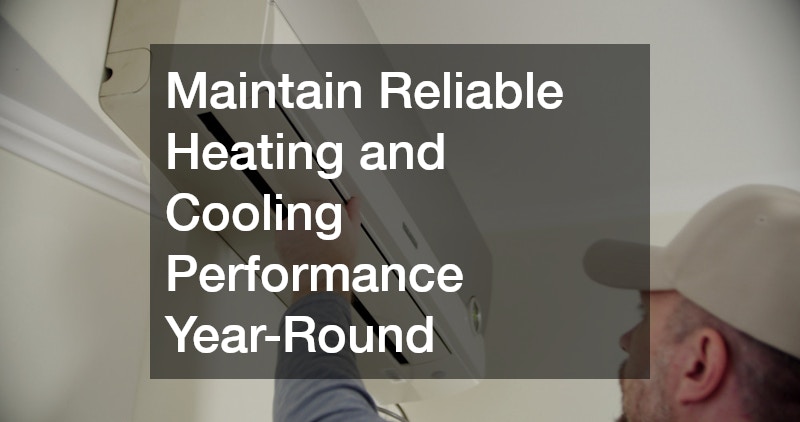
Heating and cooling systems require consistent maintenance to perform effectively. Over time, wear and tear can reduce efficiency and lead to breakdowns.
Common issues include:
- Reduced airflow
- Inconsistent temperatures
- Unusual noises
Timely ac repairs and heating repairs help restore performance and prevent further damage.
Preventative maintenance tips:
- Replace filters regularly
- Schedule seasonal inspections
- Clean system components
Deciding whether to repair or replace depends on system age, repair costs, and efficiency levels. Staying proactive with maintenance can significantly reduce long-term expenses and improve system reliability.
Additional best practices include:
- Keeping outdoor units free of debris
- Monitoring energy bills for unexpected increases
- Addressing minor issues before they escalate
Routine care ensures that your systems operate efficiently throughout the year, providing consistent comfort regardless of seasonal changes.
Upgrade Kitchen Spaces for Better Functionality and Value
The kitchen is one of the most important areas of any home, both for daily use and property value. A well-planned kitchen remodeling project can improve functionality, storage, and overall aesthetics.
Key considerations include:
- Layout and workflow
- Storage solutions
- Material durability
Planning steps:
- Set a realistic budget
- Choose high-quality materials
- Coordinate contractors
Upgrading your kitchen enhances both usability and long-term value. Thoughtful design choices can also improve efficiency, making everyday tasks more convenient and enjoyable.
Additional enhancements to consider:
- Installing energy-efficient appliances
- Incorporating modern lighting solutions
- Maximizing counter space for functionality
A well-executed remodel not only improves daily living but also increases the overall appeal of your home, making it more attractive to future buyers.
Choose Durable, Attractive Flooring for Long-Term Use

Flooring plays a major role in both appearance and functionality. Tile floors are a popular choice due to their durability, versatility, and ease of maintenance.
Benefits include:
- Resistance to moisture and wear
- Wide variety of styles and designs
- Easy cleaning and maintenance
Installation considerations:
- Proper subfloor preparation
- Professional installation for best results
Regular maintenance, such as cleaning and sealing, helps preserve appearance and longevity. Choosing high-quality materials ensures that your flooring remains durable and visually appealing for years.
To maximize longevity:
- Use protective pads under furniture
- Clean spills promptly to prevent staining
- Perform periodic deep cleaning
Tile flooring is especially beneficial in high-traffic and moisture-prone areas, offering both practicality and aesthetic versatility. With proper care and installation, it remains one of the most reliable flooring options for long-term performance.
Coordinate Home Improvement Projects Efficiently
Managing multiple projects requires careful planning to avoid delays and unnecessary costs. Coordinating services ensures that tasks are completed efficiently.
Tips include:
- Creating a detailed timeline
- Grouping related projects
- Communicating clearly with contractors
Efficient coordination improves results and minimizes disruptions. It also allows homeowners to take advantage of cost savings when bundling services and scheduling work strategically.
Budgeting and Financial Planning for Home Improvements
Planning finances is essential for successful home improvement projects. Setting realistic budgets helps prevent overspending and ensures that critical tasks are prioritized.
Strategies include:
- Allocating funds for emergencies
- Comparing contractor quotes
- Phasing projects over time
Financial planning supports long-term success and stability. Tracking expenses and maintaining detailed records also helps homeowners evaluate the value of completed projects.
Increase Property Value Through Strategic Improvements
Strategic upgrades enhance both comfort and resale value. Focusing on high-impact improvements ensures the best return on investment.
Key areas include:
- Structural repairs
- Energy efficiency upgrades
- Aesthetic enhancements
Balancing functionality and design helps maximize value. Keeping documentation of upgrades can also improve buyer confidence and streamline the selling process.