
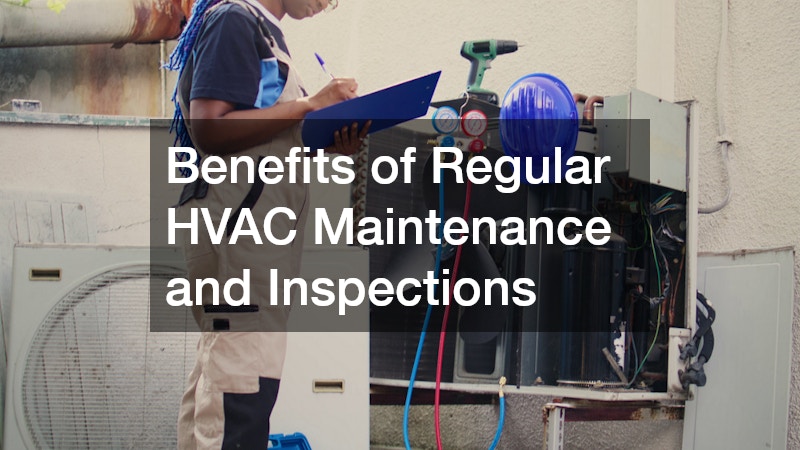
Your heating and cooling system plays a critical role in keeping your home comfortable year-round. Whether it’s the peak of summer or the coldest part of winter, you rely on it to maintain a consistent indoor environment. However, many homeowners overlook the importance of routine upkeep until something goes wrong.
Regular system care and inspections are not just about preventing breakdowns—they’re about improving efficiency, extending equipment lifespan, and saving money over time. With the right approach, you can avoid unexpected issues and ensure your system runs at peak performance.
This guide breaks down everything you need to know about maintaining your system, spotting issues early, and making smart decisions that protect your investment.
How Routine Tune-Ups Extend Your System’s Lifespan
One of the most important yet overlooked benefits of routine system care is how significantly it can extend the lifespan of your heating and cooling equipment. Many homeowners assume their system will last as long as possible without intervention, but neglect is one of the leading causes of early failure. Over time, dust buildup, worn components, and lack of lubrication can place unnecessary strain on critical parts. Regular upkeep ensures everything runs smoothly, reducing wear and preventing small issues from turning into major failures.
Why routine service matters:
- Prevents excessive strain on motors and compressors
- Reduces overheating risks
- Ensures all components operate efficiently
Professional HVAC maintenance combined with expert HVAC services ensures a deeper level of inspection and care that homeowners cannot achieve on their own.
Actionable tips:
- Schedule maintenance twice per year (spring and fall)
- Keep a record of all service visits
- Replace worn parts proactively instead of waiting for failure
Extending your system’s lifespan isn’t just about avoiding inconvenience—it’s about maximizing your investment. A well-maintained system can last several years longer than a neglected one, delaying the need for costly replacements. Over time, this translates into thousands of dollars saved while also maintaining consistent comfort in your home. By staying proactive, you ensure your system continues to perform reliably without unexpected breakdowns.
Simple Maintenance Tasks Homeowners Can Do Themselves
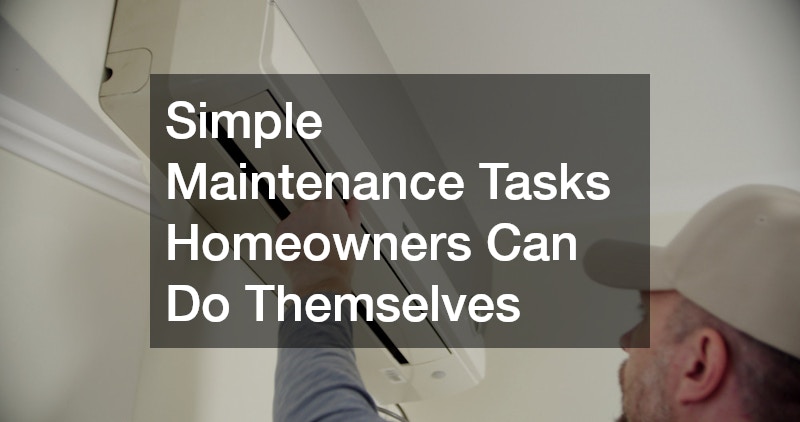
Taking care of your system doesn’t always require professional help. In fact, there are several simple tasks homeowners can perform regularly to keep things running efficiently. These small efforts, when done consistently, can significantly reduce system strain and improve overall performance. Many residential hvac services providers encourage homeowners to take an active role in maintenance between professional visits.
Easy DIY maintenance tasks:
- Change air filters every 1–3 months
- Vacuum dust from vents and registers
- Keep outdoor units clear of leaves and debris
- Check thermostat settings regularly
These tasks support overall HVAC maintenance and help prevent unnecessary wear and tear.
Pro tips:
- Set calendar reminders for filter changes
- Use high-quality filters for better air quality
- Inspect visible ductwork for leaks or damage
While these steps may seem minor, they play a major role in maintaining efficiency and preventing larger issues. Consistent attention to these details helps your system operate more smoothly and reduces the likelihood of breakdowns. However, it’s important to recognize when a problem goes beyond basic maintenance. If issues persist despite your efforts, bringing in a professional ensures that deeper mechanical or electrical problems are properly addressed.
Warning Signs Your System Needs Immediate Attention
Your heating and cooling system often gives warning signs before a major failure occurs, but many homeowners overlook or ignore them. Recognizing these early indicators can make the difference between a simple fix and a costly repair. Small issues like unusual sounds or reduced airflow may seem minor at first, but they often signal underlying problems that require attention. Addressing these concerns early helps prevent further damage and keeps your system running efficiently.
Common red flags:
- Unusual noises (grinding, banging, squealing)
- Weak or uneven airflow
- Warm air coming from vents during cooling cycles
- Frequent cycling on and off
These issues often point to the need for HV AC repair or AC repair services.
What to watch closely:
- Sudden spikes in energy bills
- Strange odors (burning or musty smells)
- Excess humidity indoors
Actionable steps:
- Turn off the system if you hear loud or persistent noises
- Check and replace dirty filters first
- Contact a professional if the issue persists
Ignoring these warning signs can lead to more extensive damage and significantly higher repair costs. What might start as a minor issue can quickly escalate into a major system failure if left unresolved. Acting quickly not only protects your equipment but also ensures your home remains comfortable and safe. Being proactive with repairs ultimately saves time, money, and stress.
How Regular Inspections Improve Energy Efficiency
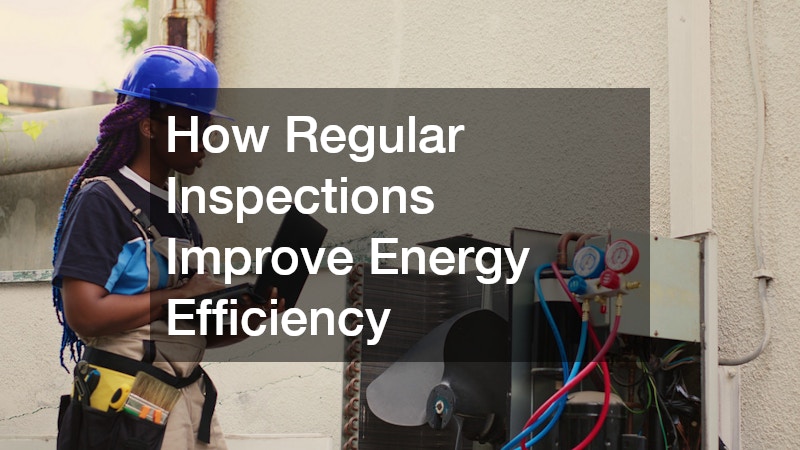
Energy efficiency is one of the most valuable benefits of keeping your system in top condition. Over time, even small issues like dirty components or minor leaks can cause your system to work harder than necessary. This increased workload leads to higher energy consumption and rising utility bills. Regular inspections help identify and correct these inefficiencies, allowing your system to operate at peak performance.
How inefficiency develops:
- Dirty coils reduce heat exchange efficiency
- Leaky ducts allow conditioned air to escape
- Improper thermostat calibration leads to overuse
Professional HVAC services and timely air conditioning repair help restore optimal efficiency.
Practical ways to improve efficiency:
- Seal duct leaks with professional help
- Install a programmable or smart thermostat
- Ensure proper insulation in your home
Benefits of improved efficiency:
- Lower monthly utility bills
- Reduced environmental impact
- More consistent indoor temperatures
Improving efficiency doesn’t just lower costs—it enhances overall comfort and system reliability. When your system runs efficiently, it doesn’t have to work as hard to maintain the desired temperature, which reduces wear and tear. This creates a more stable indoor environment while also extending the life of your equipment. In the long run, energy efficiency benefits both your wallet and the environment.
Preventing Expensive Breakdowns Before They Happen
Unexpected system failures are often the result of issues that could have been detected and resolved early. Preventative care focuses on identifying potential problems before they lead to major breakdowns. By addressing wear and tear during routine inspections, you can avoid inconvenient and costly repairs. This proactive approach ensures your system remains reliable when you need it most.
Common causes of breakdowns:
- Worn-out belts and bearings
- Electrical connection failures
- Refrigerant leaks
Regular HVAC repair and AC repair help address these issues early.
Preventative strategies:
- Replace aging components before failure
- Inspect electrical connections annually
- Clean coils and drainage lines
Signs you’re at risk of a breakdown:
- The system struggles to maintain temperature
- Increased noise levels
- Longer run times
Preventing breakdowns is always more cost-effective than dealing with emergency repairs. Emergency service calls often come with higher fees and added stress, especially during extreme weather conditions. By investing in preventative care, you can maintain consistent system performance and avoid unexpected disruptions. This approach not only saves money but also provides peace of mind knowing your system is prepared for heavy use.
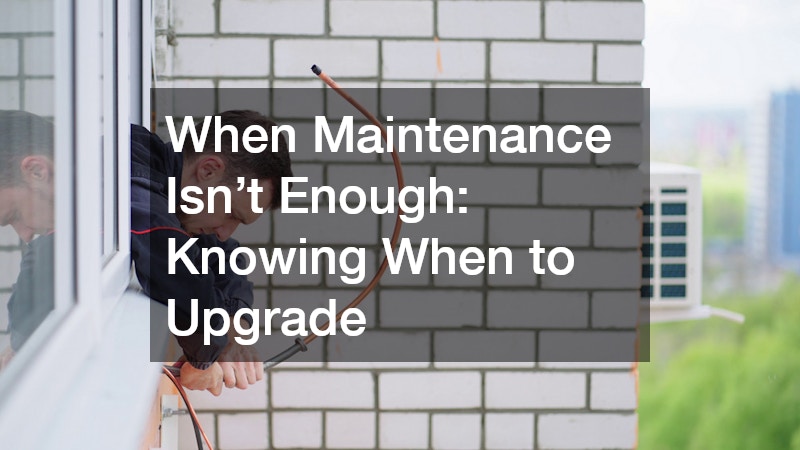
When Maintenance Isn’t Enough: Knowing When to Upgrade
Even with regular care, every system eventually reaches the end of its lifespan. Knowing when to upgrade is essential for maintaining efficiency and avoiding excessive repair costs. Older systems tend to require more frequent repairs and consume more energy, making them less cost-effective over time. Recognizing the signs early allows you to plan for a replacement before a complete failure occurs.
Indicators it’s time for AC replacement:
- The system is over 10–15 years old
- Frequent repairs are needed
- Energy bills continue to rise
HV AC installation services can help guide you through the upgrade process.
How to evaluate your situation:
- Compare repair costs to replacement costs
- Consider long-term energy savings
- Assess comfort and performance issues
Benefits of upgrading:
- Improved energy efficiency
- Better indoor comfort
- Reduced repair frequency
Upgrading your system at the right time can significantly improve your home’s comfort and efficiency. Newer systems are designed with advanced technology that reduces energy consumption while delivering better performance. Although the upfront cost may seem high, the long-term savings and reliability make it a worthwhile investment. Working with professionals ensures your new system is properly sized and installed for optimal results.
Improving Indoor Air Quality Through Regular Care
Indoor air quality is a critical factor in maintaining a healthy home environment, and your HVAC system plays a central role in this. Over time, dust, allergens, and pollutants can accumulate within your system and circulate throughout your home. Without proper care, this can lead to poor air quality and potential health issues. Regular upkeep helps keep the air clean and safe for you and your family.
How maintenance improves air quality:
- Removes dust buildup from components
- Ensures proper airflow and filtration
- Prevents mold growth in ducts and coils
Routine HVAC maintenance and support from residential HVAC services help maintain cleaner air.
Actionable steps:
- Replace filters regularly
- Clean vents and ducts periodically
- Consider adding air purification systems
Health benefits:
- Reduced allergy symptoms
- Improved respiratory health
- Cleaner, fresher indoor air
Maintaining good air quality goes beyond comfort—it directly impacts your health and well-being. Clean air reduces the risk of respiratory issues and creates a more pleasant living environment. By taking proactive steps to maintain your system, you ensure that the air circulating in your home remains free of harmful contaminants. This is especially important for households with children, elderly individuals, or those with allergies.

Seasonal Preparation Tips for Year-Round Comfort
Seasonal changes can place different demands on your heating and cooling system, making preparation essential. Without proper preparation, your system may struggle to perform efficiently during peak seasons. Taking the time to prepare in advance ensures reliable operation and helps prevent unexpected issues. This proactive approach keeps your home comfortable no matter the weather.
Preparing for summer:
- Test the cooling performance early
- Schedule a pre-season inspection
- Check refrigerant levels
Proper air conditioning installation and AC installation contribute to long-term efficiency.
Preparing for winter:
- Inspect heating components
- Seal air leaks around windows and doors
- Check thermostat accuracy
Seasonal checklist:
- Clean or replace filters
- Inspect ductwork
- Clear debris around outdoor units
Preparing your system for each season helps reduce strain and improve overall performance. By addressing potential issues ahead of time, you can avoid peak-season breakdowns when service demand is high. This not only ensures consistent comfort but also helps you avoid higher repair costs during busy periods. A little preparation goes a long way in maintaining a dependable system year-round.
Choosing the Right HVAC Professional for Maintenance
Finding the right professional to service your system is essential for ensuring quality results. Not all technicians offer the same level of expertise, and choosing the wrong provider can lead to poor performance and recurring issues. A reliable professional will not only perform thorough inspections but also provide honest recommendations tailored to your needs. Building a relationship with a trusted technician ensures consistent care for your system.
What to look for:
- Proper licensing and certifications
- Positive customer reviews
- Transparent pricing
Experienced HVAC service providers and HVAC installation services teams deliver better long-term results.
Questions to ask:
- What’s included in your maintenance plan?
- Do you offer emergency services?
- How do you handle unexpected repairs?
Red flags to avoid:
- Unusually low pricing
- Lack of credentials
- Poor communication
Choosing the right professional can make a significant difference in your system’s performance and longevity. Skilled technicians are better equipped to identify issues early and provide effective solutions. This not only improves efficiency but also reduces the likelihood of future problems. Investing in a reputable provider ensures your system receives the care it needs to operate at its best.
Long-Term Cost Savings of Preventive Care
Preventative care is one of the most effective ways to manage the long-term costs of maintaining your heating and cooling system. While some homeowners may hesitate to invest in regular maintenance, the savings over time can be substantial. By reducing the frequency of repairs and improving efficiency, preventative care helps keep expenses under control. It also allows you to plan for future upgrades rather than facing unexpected costs.
Cost comparison:
- Routine maintenance: relatively low annual cost
- Major air conditioning repair: significantly higher
- Full AC replacement: the largest expense
How maintenance saves money:
- Reduces energy consumption
- Minimizes repair frequency
- Extends system lifespan
Smart financial strategies:
- Invest in annual maintenance plans
- Track energy bill trends
- Budget for future upgrades
The financial benefits of preventative care become more apparent over time. Instead of dealing with sudden, expensive repairs, you can maintain a predictable and manageable maintenance schedule. This approach not only protects your system but also provides greater control over your household budget. In the long run, consistent care is one of the smartest financial decisions a homeowner can make.
Protect Your Comfort and Maximize Long-Term Savings
Taking care of your heating and cooling system is one of the smartest investments you can make as a homeowner. Regular inspections, simple upkeep, and timely professional service all contribute to better performance, improved comfort, and long-term savings.
By staying proactive, you can avoid costly surprises, maintain a healthy indoor environment, and ensure your system runs efficiently for years to come.