

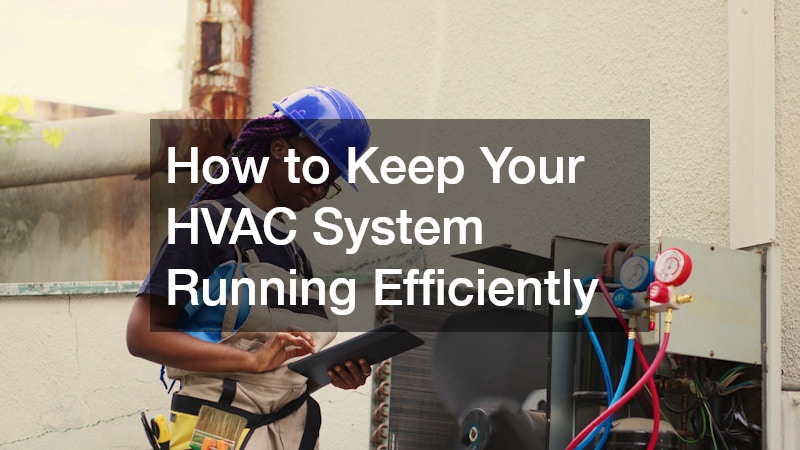
Heating and cooling equipment does some of the hardest work in a home, often running for hours during the hottest and coldest parts of the year. Keeping that equipment efficient is not simply a matter of setting the thermostat and waiting for comfortable air. Airflow, maintenance, insulation, equipment condition, ductwork, and everyday household habits all influence how hard the system has to work.
Efficiency also tends to decline gradually. A clogged filter, partially blocked vent, small duct leak, or neglected outdoor unit might not cause an immediate breakdown. Instead, the system may begin running longer or struggling to maintain even temperatures. Those small changes can be easy to overlook until comfort suffers or a larger problem develops.
A better approach is to pay attention to the entire heating and cooling system throughout the year. Regular inspections, sensible operating habits, and timely professional attention can help homeowners recognize problems earlier. The following steps provide a practical framework for keeping equipment operating properly without turning routine home maintenance into a complicated project.
Replace Air Filters Before Airflow Becomes Restricted
Checking the air filter is one of the simplest maintenance tasks homeowners can perform, yet it can have a significant effect on airflow. As a filter captures dust, hair, pollen, and other airborne particles, it gradually becomes more restrictive. If too much material accumulates, the blower has to move air through a clogged surface. This can reduce airflow through the home and make it more difficult for the system to maintain the desired temperature.
There is no single replacement schedule that works for every household. Homeowners should begin with the equipment and filter manufacturer’s recommendations, then inspect the filter regularly to see how quickly it becomes dirty. Homes with pets, ongoing construction, high system usage, or greater amounts of airborne debris may need more frequent changes.
Filter selection matters as well. A filter should be the correct dimensions for the system, and homeowners should avoid assuming that the most restrictive filter is automatically the best choice. Equipment is designed around particular airflow requirements. Professional HVAC services can help determine whether a filter is appropriate when there are concerns about filtration or system performance.
If a clean filter does not resolve weak airflow, unusually long cycles, or inconsistent temperatures, an HVAC technician can evaluate whether the problem is related to the blower, ductwork, equipment, or another component.
Keep Vents, Registers, and Outdoor Equipment Clear
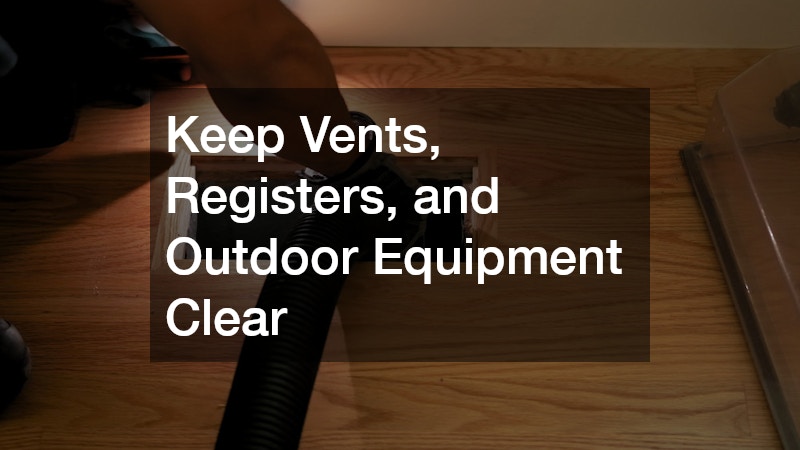
Good airflow depends on more than a clean filter. Supply registers and return vents need enough open space to move air effectively throughout the house. Furniture, rugs, curtains, storage boxes, and other household items can unintentionally block them. A quick walk through the home every few months can identify obstructions before they become an ongoing problem.
Homeowners should also avoid routinely closing large numbers of supply vents in unused rooms. A residential HVAC system is generally designed to move a particular amount of air through its duct network. Closing too many registers can alter airflow and pressure rather than simply redirecting all conditioned air to occupied spaces.
Outdoor equipment deserves similar attention. Leaves, grass clippings, weeds, and other debris can accumulate around the unit and interfere with airflow. Vegetation should be kept from crowding the equipment, while maintenance should follow the manufacturer’s instructions. Homeowners should also be careful not to damage fins or electrical components when cleaning around the unit.
Persistent airflow problems deserve more than repeated adjustments to vents. Weak airflow, unusual sounds, frequent cycling, or equipment that struggles to reach the thermostat setting may indicate a problem requiring HVAC repair. Addressing the underlying cause is more useful than trying to compensate by continually changing thermostat settings.
Use Thermostat Settings That Reduce Unnecessary Runtime
A thermostat determines when heating and cooling equipment operates, making everyday temperature choices an important part of system efficiency. One common misconception is that setting the thermostat dramatically higher or lower will make the home reach a comfortable temperature faster. Most systems do not work that way. Instead, an extreme setting may simply cause the equipment to run longer.
A practical approach is to select comfortable temperatures and make moderate adjustments when the household is sleeping or away. Programmable thermostats can automate those changes. Smart models add features such as remote control, usage tracking, and customized schedules, but technology alone cannot correct mechanical problems or poor insulation.
Homeowners should pay attention to how the system responds to thermostat changes. Long operating cycles during severe weather are not automatically a problem, but frequent short cycles, large temperature differences between rooms, or an inability to reach a reasonable setting may warrant further investigation.
Before replacing equipment based on high energy use alone, it can be helpful to have an HVAC company evaluate the entire system. Thermostat calibration, airflow, duct condition, equipment sizing, insulation, and mechanical condition can all influence runtime. Identifying the actual source of poor performance can prevent unnecessary changes while directing attention toward the areas that need it.
Inspect Ductwork for Leaks and Airflow Problems
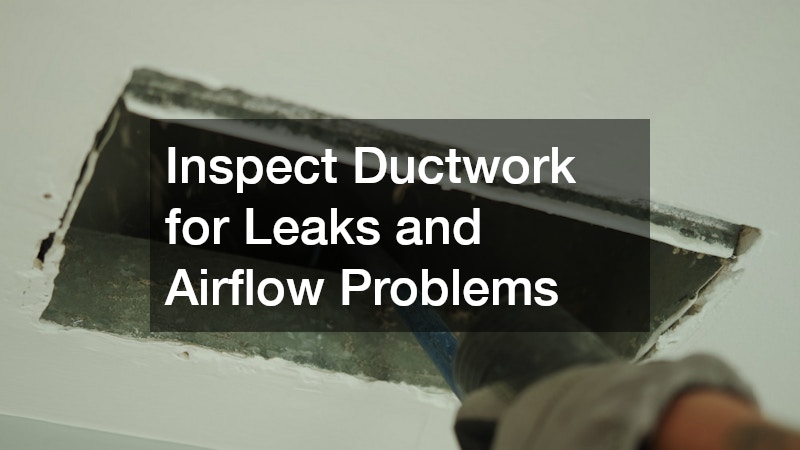
Ductwork carries heated and cooled air from the equipment to different parts of the home. When ducts are damaged, disconnected, poorly sealed, or improperly designed, some of that conditioned air may not reach its intended destination. The result can be uncomfortable rooms and longer equipment runtime even when the heating or cooling unit itself is functioning normally.
Homeowners can visually inspect accessible ductwork in basements, attics, utility spaces, or crawl spaces when those areas can be entered safely. Visible gaps, disconnected sections, damaged flexible ducts, and deteriorated materials are worth noting. Other clues may include unusually weak airflow from certain registers, rooms that remain consistently warmer or colder than the rest of the house, or noises coming from duct sections.
Not every airflow imbalance is caused by a leak. Ducts can be undersized, poorly routed, crushed, or otherwise unsuitable for the amount of air the equipment needs to move. Additions and renovations can also change a home’s heating and cooling requirements.
When existing ducts have extensive problems or a remodel requires a different distribution layout, a professional duct installation service may be appropriate. A qualified contractor can assess duct sizing, routing, sealing, and airflow rather than addressing only the most visible symptom.
Schedule Preventive Maintenance Before Peak Seasons
Preventive maintenance is most useful when it occurs before equipment is placed under its heaviest seasonal demand. Cooling equipment can be inspected before sustained summer temperatures arrive, while heating equipment can be checked before cold weather becomes routine. The exact maintenance schedule should follow the equipment manufacturer’s instructions and account for system type, age, and usage.
A professional visit may involve checking electrical connections, controls, condensate drainage, airflow, motors, and other accessible components. Heating systems may require additional inspection of combustion-related components, depending on the equipment. Cooling-system work involving refrigerant or electrical components should be left to appropriately qualified professionals.
Homeowners should not wait for the next scheduled appointment when a clear warning sign develops. New noises, burning or unusual odors, frequent cycling, leaking water, inconsistent temperatures, or unexpected shutdowns deserve attention. Early evaluation may help identify relatively contained problems before they contribute to more extensive furnace repairs.
Homes that rely on heating oil have additional considerations. Fuel storage and heating equipment should be maintained according to applicable manufacturer guidance and local requirements. Homeowners should monitor the system for signs of leakage, corrosion, unusual odors, or changes in performance and arrange qualified service when concerns arise. Seasonal preparation is especially important for equipment that may operate heavily during prolonged cold weather.
Know When Older Cooling Equipment Needs More Than Repairs
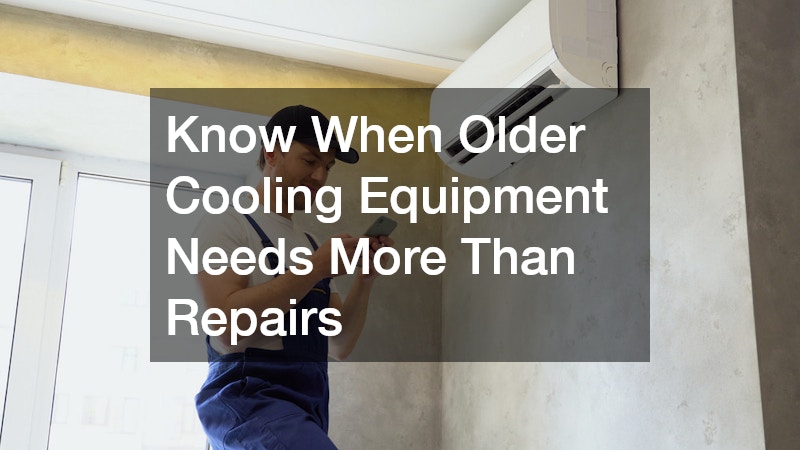
Repairing an existing cooling system often makes sense when the problem is isolated and the rest of the equipment remains in suitable condition. Over time, however, repeated failures can change the calculation. Homeowners may begin experiencing frequent service calls, inconsistent cooling, increasing operating costs, or difficulty maintaining indoor comfort.
Age is one consideration, but it should not be the only reason to replace equipment. Maintenance history, repair frequency, equipment condition, availability of compatible parts, and household comfort needs all deserve consideration. A professional assessment can help homeowners compare the condition of the current equipment with the implications of installing a new system.
When air conditioning replacement becomes appropriate, correct sizing is important. Oversized equipment is not automatically better. A cooling system should be selected based on the home’s cooling load, layout, insulation, windows, and other relevant characteristics. Installation quality and duct condition also affect how a new unit performs.
Some homes may benefit from alternatives to a traditional central system. Ductless AC can be considered for additions, converted garages, older properties without existing ducts, or rooms that have specific comfort requirements. It is not automatically the best solution for every property, so homeowners should compare installation needs, capacity, layout, maintenance, and long-term use before deciding.
Reduce the Heating and Cooling Load on the Home
Efficient equipment can still struggle when a home gains or loses large amounts of heat through its building envelope. Improving insulation and reducing unwanted air leakage can decrease the amount of heating or cooling required to maintain comfortable indoor conditions.
Doors and windows are practical places to start. Damaged weatherstripping and obvious gaps can allow outdoor air to enter and conditioned air to escape. Homeowners can inspect accessible areas for deterioration and replace worn materials when appropriate. Attics also deserve attention because inadequate insulation or significant air leakage can affect indoor temperatures and increase the load on mechanical equipment.
Sunlight is another factor during warm weather. Closing shades, curtains, or blinds on windows receiving strong direct sunlight can reduce heat gain during the hottest parts of the day. Exterior shading may also be useful depending on the property.
Ceiling fans can support comfort, but their purpose is sometimes misunderstood. Fans primarily make occupants feel cooler through air movement; they do not lower the temperature of an empty room. Turning them off when a room is unoccupied avoids unnecessary electricity use.
The goal is to treat the house and its mechanical equipment as connected systems. Reducing unnecessary heat gain in summer and heat loss in winter means the equipment has less work to do to maintain indoor conditions.
Track Changes in Performance Before Problems Escalate
Homeowners do not need specialized instruments to notice many early signs of changing system performance. Becoming familiar with how equipment normally sounds, how long it typically runs, and how evenly rooms are conditioned can make unusual behavior easier to recognize.
Simple records can help. Homeowners can note filter changes, professional maintenance dates, major repairs, and equipment age. Energy bills can also provide context when compared with similar periods, although changes in weather, utility rates, occupancy, and household habits should be considered before assuming the equipment is responsible for an increase.
Changes that deserve attention include persistent new noises, unusual odors, weaker airflow, repeated cycling, water around equipment, unexpectedly hot or cold rooms, or a system that regularly fails to reach the thermostat setting. Electrical odors, smoke, suspected gas leaks, or other potential safety hazards should be treated more urgently.
Tracking performance is particularly useful because deterioration is not always sudden. A system may gradually run longer or become less consistent over months. Recognizing those patterns gives homeowners more information when speaking with a service professional and can help distinguish a one-time issue from a developing problem.
Maintenance records also make it easier to understand whether a component has failed repeatedly. That information can support better decisions about future service, repairs, and eventual equipment replacement.
Build Better Heating and Cooling Habits Throughout the Year
Keeping heating and cooling equipment efficient is largely about consistency. Filters need regular attention. Vents and outdoor equipment need adequate airflow. Thermostat settings should reflect how the household actually uses the home, while ductwork, insulation, and air sealing should not be overlooked simply because they are less visible than the main equipment.
Preventive maintenance adds another layer of protection by giving qualified professionals an opportunity to evaluate equipment before periods of heavy seasonal use. At the same time, homeowners should recognize that scheduled maintenance is not a reason to ignore warning signs between appointments. Changes in sound, airflow, runtime, temperature, odors, or visible equipment condition can provide useful clues that something needs attention.
Some tasks are appropriate for homeowners, while others require professional training. Work involving electrical systems, refrigerants, combustion equipment, or potentially hazardous conditions should be handled by qualified professionals.
A heating and cooling system does not need constant attention to operate responsibly. It does benefit from informed attention at the right times. By combining routine household maintenance with professional service when necessary, homeowners can reduce unnecessary strain on their equipment, identify developing problems sooner, and make better decisions about repairs and eventual replacement.