

Keeping a home comfortable year-round depends on more than just having a functioning furnace and air conditioner. It depends on regular care. A heating and cooling service that performs routine maintenance can catch small issues before they turn into costly breakdowns, extend the lifespan of your equipment, and keep your energy bills from creeping upward. Understanding the best HVAC maintenance techniques, whether you’re handling simple tasks yourself or scheduling professional visits, can make a real difference in how your system performs.
Why Regular HVAC Maintenance Matters
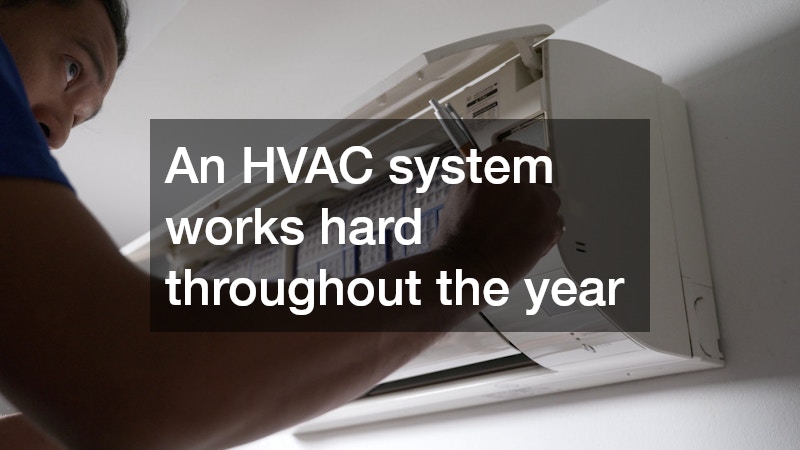
An HVAC system works hard throughout the year, cycling on and off to regulate indoor temperature no matter the season. Like any mechanical system, it accumulates wear over time.
Dust builds up in filters, components loosen, refrigerant levels shift, and electrical connections can degrade. Without regular attention, these small issues compound, leading to reduced efficiency, higher utility costs, and, eventually, expensive repairs or premature system failure.
Routine maintenance also plays a major role in indoor air quality. A neglected system can circulate dust, allergens, and even mold spores throughout a home. Staying on top of maintenance helps ensure the air moving through your vents stays clean and healthy for everyone inside.
Change or Clean Air Filters Regularly
One of the simplest and most effective maintenance techniques is also one of the most commonly overlooked: filter care. A dirty filter restricts airflow, forcing the system to work harder to push air through the home. This added strain increases energy consumption and can shorten the life of the unit.
Most experts recommend checking filters monthly and replacing or cleaning them every one to three months, depending on the filter type, household size, and whether pets are present. Homes with pets, allergy sufferers, or higher dust levels may need more frequent changes.
Keep the Outdoor Unit Clear
For homes with central air conditioning or heat pumps, the outdoor condenser unit needs breathing room to function properly. Leaves, grass clippings, dirt, and debris can build up around and inside the unit, restricting airflow and reducing efficiency.
Homeowners should periodically clear away vegetation, trim back plants to maintain at least two feet of clearance, and gently rinse the unit’s exterior with a hose to remove accumulated dirt. Avoid using high-pressure washers, as they can bend the delicate fins on the unit.
Inspect and Seal Ductwork
Ductwork carries conditioned air throughout the home, but leaks, gaps, or poor insulation along the way can waste a significant amount of energy. Air escaping through duct leaks means your system has to work harder to maintain the desired temperature, driving up costs without improving comfort.
Periodic inspection of accessible ductwork for visible damage, along with sealing any leaks with mastic sealant or metal tape, can noticeably improve system efficiency. In many cases, duct issues aren’t obvious from a quick glance, which is why a professional evaluation can be valuable for identifying hidden problems.
Schedule Professional Tune-Ups
While homeowners can manage several maintenance tasks on their own, certain aspects of HVAC care require professional expertise. A trained technician can check refrigerant levels, test electrical connections, inspect the condensate drain line, calibrate the thermostat, and lubricate moving parts, all tasks that go beyond what most homeowners are equipped to handle safely.
Scheduling a professional tune-up at least once a year, ideally in the spring for cooling systems and fall for heating systems, helps ensure the entire system is operating as intended before the season’s heaviest use begins. These visits often catch developing issues long before they become emergencies.
Monitor Thermostat Settings and Performance
An HVAC system is only as effective as the thermostat directing it. Outdated or poorly calibrated thermostats can cause a system to run longer than necessary or fail to maintain a consistent temperature. Upgrading to a programmable or smart thermostat allows for more precise control and can reduce unnecessary strain on the system by adjusting temperatures automatically based on daily routines.
Periodically testing thermostat accuracy against a separate room thermometer can also help identify calibration issues before they lead to comfort problems or wasted energy.
Pay Attention to Unusual Sounds or Smells
HVAC systems tend to signal trouble before a full breakdown occurs. Rattling, grinding, or squealing sounds, along with musty, burning, or otherwise unusual odors, often indicate a developing issue. Ignoring these warning signs can allow a minor problem to escalate into a major repair.
If unusual sounds or smells appear, it’s worth reaching out to a professional promptly rather than waiting for symptoms to worsen.
Keep Vents and Registers Unobstructed
Furniture, rugs, curtains, and other household items can block vents and registers without homeowners realizing it. Blocked airflow forces the system to work harder to distribute air evenly, reducing efficiency and creating uneven temperatures throughout the home. Walking through the house periodically to ensure vents remain clear is a small step that supports better overall performance.
The Value of Consistent Maintenance
HVAC systems represent a significant investment, and consistent maintenance is one of the most effective ways to protect that investment. Combining homeowner-level tasks, like filter changes and clearing outdoor units, with regular visits from a qualified heating and cooling service creates a well-rounded maintenance routine. The result is a system that runs more efficiently, lasts longer, and keeps indoor comfort steady no matter what the season brings.