

Opening your monthly utility bill should not feel like a punch to the wallet. Yet, when power bills surge without an obvious change in your daily routine, your heating and cooling equipment is almost certainly behind the spike. Accounting for over half of a typical home’s energy consumption, your HVAC system works quietly in the background to maintain indoor comfort. When everything operates smoothly, energy usage remains steady and predictable. However, when minor mechanical flaws, air distribution leaks, or neglected maintenance issues creep in, system efficiency plummets, causing your power bills to skyrocket.
The frustrating truth is that an HVAC system rarely fails all at once; instead, it loses efficiency gradually. Small issues like clogged air filters, leaky ductwork, worn capacitors, or low refrigerant levels force your equipment to run significantly longer to reach the set temperature. Every extra minute that blower motor or compressor runs adds directly to your monthly expenses. By understanding how these hidden issues waste power and learning how to spot early warning signs, you can take control of your energy bills, protect your equipment, and restore efficient comfort to your home.
Sunlight Dynamics and Yard Microclimate Shifts
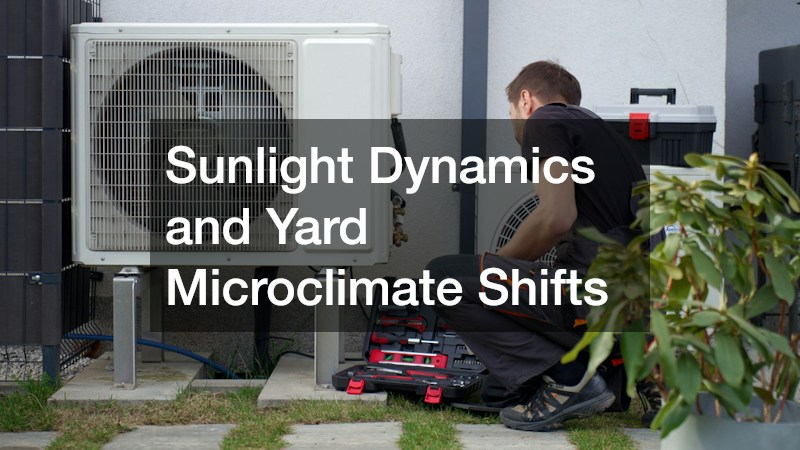
When monthly utility bills spike without a corresponding change in outdoor weather, your heating and cooling equipment is almost always the prime suspect. Heating, ventilation, and air conditioning systems account for more than half of the energy consumed in a typical American home. When operating efficiently, an HVAC system maintains comfortable indoor temperatures while consuming a predictable amount of kilowatt-hours or fuel. However, when minor mechanical issues or air distribution flaws develop, energy efficiency drops rapidly, driving up your power bills.
The primary cause of high energy bills is reduced system efficiency rather than total breakdown. Small mechanical issues force blowers, compressors, and burners to run longer to hit set temperatures. This extended runtime translates directly into inflated monthly bills. Understanding how these systems degrade over time helps you spot efficiency losses early and take action to protect your home budget.
Airflow Obstructions and Filter Degradation
Unrestricted airflow is essential for any efficient heating or cooling system. Blower fans pull air from living areas through return vents, pass it over heating or cooling coils, and push conditioned air back into the house. When dust, pet hair, and airborne debris accumulate on air filters, airflow drops significantly. This forces the blower motor to work harder, pulling more electrical current and increasing operating costs.
Beyond restricting air volume, neglected filters allow dust to bypass filtration entirely and settle on internal components. Dust buildup on evaporator coils creates an insulating layer that prevents efficient heat transfer. During cooling cycles, this can cause the indoor coil to freeze over, shutting down cooling entirely while the outdoor condenser continues to run and waste energy.
Using quality hvac supplies, such as clean, mid-MERV rated filters, protects system components without restricting airflow. Choosing the right filter type and replacement frequency balances high indoor air quality with low energy consumption.
Regular air conditioning service keeps internal components clean and operating properly. Professional technicians check static pressure levels, clean evaporator and condenser coils, and confirm that blowers deliver correct air volume throughout your living spaces.
-
Check Filters Monthly: Inspect air filters every 30 days, replacing or washing them whenever dust buildup becomes visible.
-
Keep Return Vents Clear: Ensure furniture, drapes, and rugs are kept at least 12 inches away from return grilles to allow proper air intake.
-
Clean Outdoor Condensers: Gently hose away leaves, grass clippings, and dirt from outdoor coil fins to maintain maximum airflow.
Ductwork Leaks and Thermal Energy Loss
Even when your furnace or air conditioner operates perfectly, a significant portion of conditioned air can be lost before reaching your living areas. In houses with forced-air systems, ductwork travels through unconditioned spaces like attics, crawlspaces, and garages. The average home loses 20 to 30 percent of conditioned air through leaks, loose connections, and uninsulated duct runs.
Unsealed supply ducts leak cold or warm air directly into unconditioned attics, wasting energy on spaces no one uses. Leaky return ducts create the opposite issue, pulling hot, humid, or dusty air from crawlspaces into the system. This forces your equipment to work much harder to cool and dehumidify incoming air, driving up utility bills.
Addressing these hidden losses often requires local hvac repairs to reseal joint connections and re-insulate exposed ductlines. Sealing metal joints with sheet metal screws, brush-on mastic sealant, and foil-faced tape creates an airtight seal that holds up over time.
For cooling systems struggling with reduced airflow, scheduling local ac repair can locate hidden duct disconnects, repair crushed flexible ducts, and balance air distribution throughout your home.
-
Inspect Exposed Ducts: Check accessible ductwork in basements, attics, and crawlspaces for visible gaps, disconnected sections, or loose duct tape.
-
Look for Dust Rings: Dark dust streaks around supply registers or duct joints indicate active air leaks where air is being pulled into or pushed out of the system.
-
Seal With Mastic, Not Duct Tape: Standard cloth duct tape degrades and falls off over time; use brush-on mastic sealant or UL-listed foil tape for lasting repairs.
Mechanical Wear and Electrical Degradation
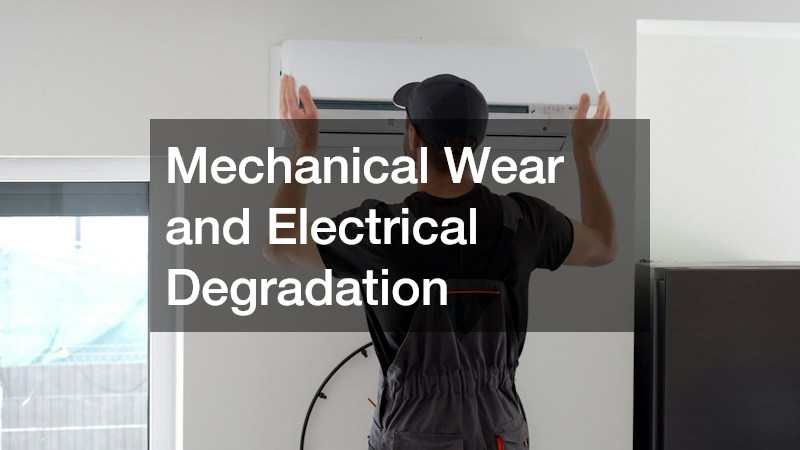
An HVAC system relies on complex electrical circuits and mechanical components to cycle safely. Over time, electrical contacts pit, capacitors lose storage capacity, and motor bearings wear down. When electrical parts degrade, they draw higher amperage, increasing electrical consumption and generating excessive heat that shortens equipment life.
A weak run capacitor is a common cause of high cooling bills. The capacitor supplies startup and running power to the compressor and fan motors. When it begins to fail, motors draw more electricity, run hotter, and may struggle to start, causing frequent breaker trips or complete component failure.
-
Inspect Electrical Contactors: Have a technician check for pitted or burned contact surfaces that increase electrical resistance and power draw.
-
Test Capacitor Capacitance: Ensure capacitors meet manufacturer microfarad tolerances to prevent motor overheating.
-
Check Motor Bearings: Lubricate or replace worn bearings to eliminate friction and reduce mechanical drag.
Furnace Efficiency and Ignition Failures
During winter, prompt Heating repair is essential for maintaining efficient performance. Worn igniters, dirty flame sensors, or misadjusted gas burners force furnaces to run longer, wasting fuel and driving up heating costs.
When electrical or fuel issues cause frequent system cycling, contacting an hvac repair service ensures that control boards, contactors, and thermostats are tested and calibrated properly.
-
Clean Flame Sensors: Remove carbon buildup from ignition sensors to ensure smooth burner operation.
-
Calibrate Thermostat Sensors: Verify that your thermostat reflects true room temperatures so your system turns on and off at the correct times.
-
Inspect Heat Exchangers: Ensure internal combustion chambers remain intact and operate safely.
Refrigerant Leaks and Compressors Operating Under Strain
Air conditioners and heat pumps do not create cold air; they remove heat from indoor spaces using a closed refrigerant loop. Refrigerant absorbs heat at the indoor evaporator coil and releases it outside at the condenser coil. When a system develops a leak and loses refrigerant, its heat-transfer capacity drops immediately.
Low refrigerant levels force the compressor to run continuously to meet thermostat settings. Because refrigerant also cools the compressor motor during operation, running a system low on refrigerant causes high operating temperatures and accelerates mechanical wear, risking expensive compressor failures.
Partnering with an experienced HVAC company ensures that refrigerant leaks are pinpointed and repaired properly rather than simply topped off.
Working with reputable local hvac companies helps you maintain peak operating efficiency through routine pressure checks, leak detection, and precision system adjustments.
-
Watch for Ice Buildup: Frost or ice along copper refrigerant lines or indoor coils often signals a refrigerant leak or severe airflow restriction.
-
Listen for Unusual Compressor Noise: Hissing, bubbling, or hard-starting sounds near the outdoor unit suggest refrigerant pressure problems or failing valves.
-
Monitor System Cycle Times: If your air conditioner runs constantly without reaching the target temperature, have the refrigerant charge checked right away.
System Aging and Degradation Over Time
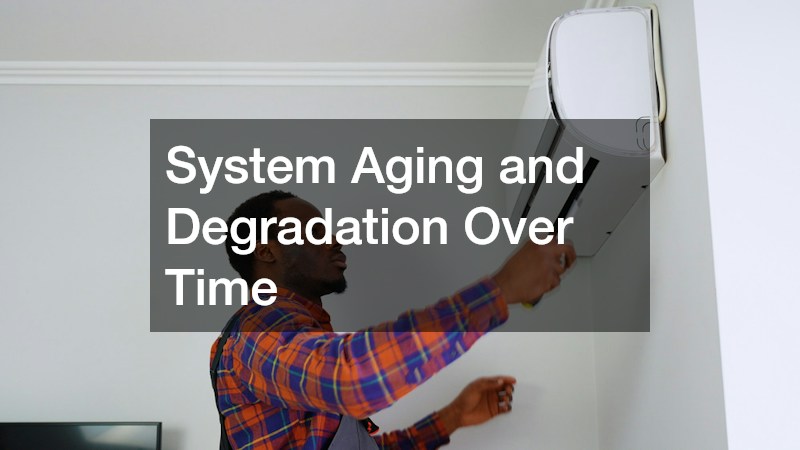
All HVAC systems degrade as they age. Even with regular maintenance, heat exchangers wear, coil fins corrode, and compressors lose mechanical efficiency. Systems over 10 to 15 years old operate at significantly lower SEER (Seasonal Energy Efficiency Ratio) ratings than modern equipment, resulting in higher monthly energy costs.
When repair costs begin to pile up on an older unit, replacing it often makes more financial sense than continuing to patch it. Modern systems feature variable-speed blowers, two-stage compressors, and smart controls that use far less electricity than older models.
-
Calculate the 5,000 Rule: Multiply the age of your system by the estimated repair cost; if the total exceeds 5,000, replacement is usually the smarter investment.
-
Monitor Escalating Bills: Compare annual utility costs over three to five years to spot structural efficiency degradation.
-
Evaluate System Tonnage: Ensure older units still meet the cooling demand of your home without running continuously.
Evaluating Replacement Timelines and New Equipment
Consulting a trusted air conditioning company provides clear data on your system’s efficiency, helping you decide whether to repair or replace based on long-term operating costs.
When replacement is the best path forward, a professional local air conditioner installation ensures that your new equipment is sized correctly, integrated seamlessly with existing ductwork, and calibrated for maximum efficiency.
-
Check Seasonal Efficiency Ratings: Upgrading from an older 10 SEER unit to a modern 16+ SEER system can cut cooling electricity use by 30 to 40 percent.
-
Verify Sizing Calculations: Ensure your contractor performs a detailed load calculation rather than simply matching the tonnage of your old unit.
-
Opt for Variable-Speed Technology: Variable-speed compressors run at lower, energy-saving speeds most of the day, turning on full power only during peak heat.
Practical DIY Energy-Saving Habits for Homeowners
While technical repairs and inspections require trained technicians, simple everyday habits can substantially lower your monthly energy bills. Small adjustments to thermostat setpoints, air movement, and window coverings can reduce the load on your HVAC system without sacrificing comfort. Establishing a thoughtful daily routine creates a protective thermal buffer around your home, preventing extreme outdoor conditions from overworking your heating and cooling equipment.
Managing solar heat gain during summer and retaining indoor warmth during winter helps maintain stable indoor temperatures naturally, reducing system runtimes. Sunlight streaming through unshaded glass can raise indoor temperatures by several degrees within hours, forcing your air conditioner to run continuously. Conversely, uninsulated windows lose valuable indoor heat rapidly during chilly winter nights. Taking simple, active control of your home’s envelope minimizes these temperature swings and reduces total power consumption.
-
Optimize Thermostat Settings: Set your thermostat to 78°F during summer and 68°F during winter for an ideal balance of comfort and energy savings. Every degree you adjust closer to the outdoor temperature saves up to 3% on cooling or heating costs.
-
Use Ceiling Fans Wisely: Run ceiling fans counterclockwise in summer to create a cooling breeze, allowing you to raise the thermostat setpoint by 4°F without feeling warmer. Remember that fans cool people, not rooms, so turn them off when leaving the space.
-
Manage Window Coverings: Close blinds, thermal drapes, and solar shades on south- and west-facing windows during sunny summer afternoons to block radiant heat. In winter, open them during peak daylight hours to capture free solar warmth.
-
Maintain Outdoor Unit Clearance: Clear plants, weeds, leaves, and stored items at least two feet away from your outdoor condenser to ensure proper airflow and heat dissipation.
Long-Term Value and System Reliability
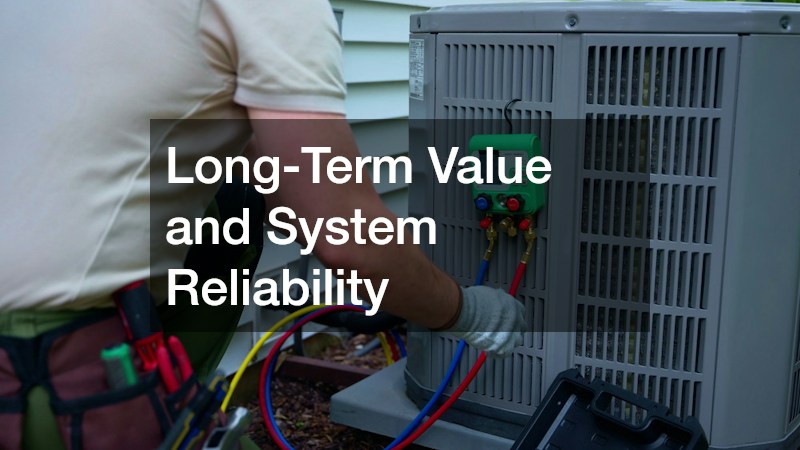
Addressing high energy bills requires a combination of routine maintenance, smart daily habits, and timely repairs. By spotting airflow restrictions, sealing leaky ductwork, servicing electrical components, and maintaining correct refrigerant levels, you can prevent minor issues from turning into costly utility expenses. When you address efficiency leaks before they escalate, you shield your household budget from unexpected spike charges while avoiding the premature failure of high-ticket mechanical components like compressors and heat exchangers.
Beyond direct cost savings, proactive HVAC care fundamentally elevates your quality of life indoors. Properly sealed and maintained equipment maintains consistent temperature balance across every room, eliminates cold or hot spots, and effectively controls indoor humidity levels. Furthermore, keeping clean air filters and clear duct networks ensures that airborne dust, pollen, and allergens are actively captured rather than continuously recirculated throughout your living spaces.
Investing time into understanding how your HVAC system operates yields immediate dividends in lower monthly bills, improved comfort, and extended equipment life. Establishing a partnership with qualified service professionals for bi-annual seasonal tune-ups creates a strong line of defense against system degradation. Taking a proactive approach to system care ensures your home stays comfortable, healthy, and energy-efficient through every season.