

Energy-saving home upgrades can make a noticeable difference in household comfort, operating costs, and environmental impact. Improvements such as better insulation, efficient heating and cooling equipment, modern garage doors, upgraded electrical systems, and electric vehicle charging infrastructure can help a home use energy more effectively. While some projects require a larger initial investment, many can provide savings over time by reducing wasted energy and improving how household systems operate.
Understanding which upgrades provide the greatest value is an important first step. Homeowners can evaluate their property’s current condition, identify areas where energy is being lost, and work with qualified professionals when specialized installation is necessary. From choosing materials from spray foam insulation suppliers to working with HVAC companies, the right improvements can create a more comfortable and efficient home.
What Are the Benefits of Spray Foam Insulation Suppliers?
Understanding Spray Foam Insulation
Spray foam insulation is a material applied as a liquid that expands and hardens to create an insulating barrier. It can fill gaps, cracks, and irregular spaces that may be difficult to address with traditional materials. Depending on the product and application, spray foam can also help limit air movement through walls, ceilings, and other areas of the building envelope.
Homeowners researching spray foam insulation suppliers should consider the type of product available, recommended applications, installation requirements, and expected performance. Choosing the appropriate material for a particular part of the home can have a significant effect on the overall results.
Advantages Over Other Insulations
One major advantage of spray foam is its ability to conform to surfaces and fill small openings. Traditional insulation materials can still provide excellent thermal performance, but they may not address every source of air leakage by themselves. Spray foam can serve as part of a broader insulation strategy designed to reduce heat transfer and unwanted air movement.
Cost-Effectiveness of Spray Foam
Spray foam generally costs more upfront than some other forms of insulation. However, the investment may provide long-term value when properly installed and applied in areas where air sealing is especially important. Lower heating and cooling demands can potentially offset some of the initial expense over the life of the improvement.
Environmental Impact
Reducing energy consumption can lower the amount of energy required to heat and cool a home. When a home uses less energy over time, its overall environmental impact may also decrease. The environmental benefits of spray foam should be considered alongside the material’s manufacturing, installation, durability, and disposal characteristics.
Finding Reliable Suppliers
When comparing spray foam insulation suppliers, homeowners should look beyond price alone. Product specifications, installer qualifications, manufacturer recommendations, warranties, and experience with residential applications can all influence the quality of an insulation project.
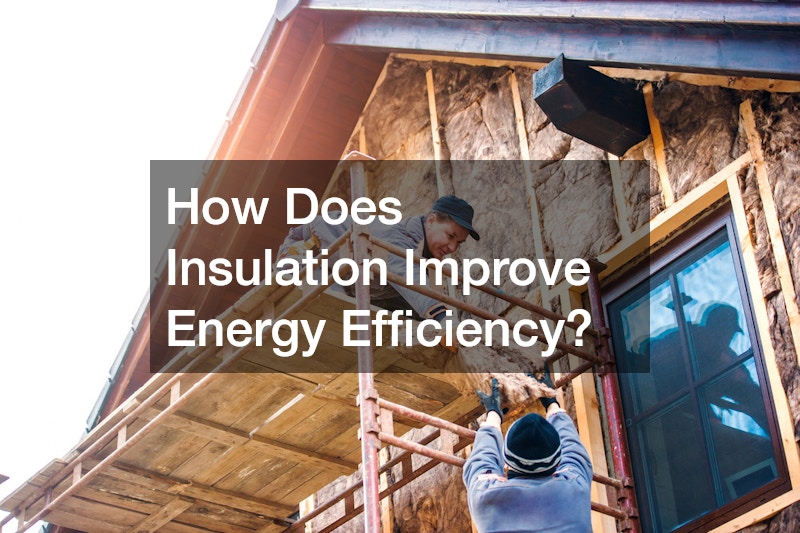
How Does Insulation Improve Energy Efficiency?
Types of Insulation
Insulation helps slow the movement of heat between conditioned indoor spaces and the outdoors. Common materials include fiberglass, cellulose, rigid foam, and spray foam. The appropriate choice depends on factors such as the location being insulated, available space, moisture conditions, and the desired thermal performance.
Installation Processes
Proper installation is just as important as material selection. Insulation should be installed with appropriate coverage and without significant gaps, compression, or displacement. Air sealing may also be necessary because insulation alone does not always stop unwanted airflow.
Comparing R-Values
R-value describes a material’s resistance to heat flow. Generally, a higher R-value indicates greater resistance, although actual performance depends on installation quality and other building characteristics. Homeowners should consider recommended insulation levels for their climate and the specific part of the building being upgraded.
Long-Term Savings
Well-installed insulation can reduce the amount of energy required to maintain comfortable indoor temperatures. This can lower heating and cooling expenses while also helping HVAC equipment operate under less demanding conditions. Savings vary based on the home’s construction, climate, energy prices, and existing efficiency.
Common Insulation Mistakes
Insulation can underperform when it is installed incorrectly or when other sources of energy loss are overlooked. Gaps around penetrations, insufficient coverage, moisture problems, and blocked ventilation can all create issues. Addressing the entire building envelope rather than adding material without an assessment can produce better results.
Can Fiberglass Insulation Service Lower Energy Costs?
Understanding Fiberglass Insulation
Fiberglass insulation consists of fine glass fibers formed into batts, rolls, or loose-fill material. It is widely used in residential construction because it is relatively accessible, versatile, and available in various R-values. A professional fiberglass insulation service can assess existing material and determine where additional insulation or replacement may be appropriate.
Comparing to Alternative Insulations
Fiberglass is one option among several insulation materials. Cellulose can provide effective coverage in certain applications, while rigid foam and spray foam offer different performance characteristics. The best selection depends on the structure and location rather than simply choosing the material with the highest advertised performance.
Installation Techniques
Fiberglass batts and rolls need to fit properly within their designated spaces without excessive compression. Loose-fill fiberglass requires appropriate distribution to achieve the intended depth and coverage. Professional installation can help identify areas where existing insulation has settled, shifted, or been installed incorrectly.
Identifying Damage Over Time
Insulation can become less effective because of moisture intrusion, pests, remodeling work, physical displacement, or deterioration of surrounding building materials. Homeowners noticing inconsistent temperatures or unusually high energy use may benefit from having insulation evaluated.
Tips for Optimal Performance
Keeping insulation dry and protecting it from unnecessary disturbance can help preserve its effectiveness. Air sealing around penetrations and addressing moisture problems can also improve overall performance. Insulation works best when combined with an efficient building envelope and properly maintained mechanical systems.
Are Modern Garage Doors More Energy Efficient?
Energy-Efficient Garage Door Materials
Modern garage doors are available with materials and construction methods designed to improve durability and thermal performance. Steel doors with insulated cores are a common option, while other materials can provide different combinations of appearance, maintenance requirements, and insulation characteristics.
Insulated Versus Non-Insulated Doors
An insulated garage door can reduce heat transfer between the garage and outdoors. This can be particularly useful when the garage is attached to the home or contains conditioned space nearby. A non-insulated door may be adequate for some detached garages, but it generally provides less resistance to outdoor temperature changes.
Proper Garage Door Sealing
Even a well-insulated door can lose efficiency if air can freely move around its edges. Weatherstripping along the sides and top, along with a properly fitted bottom seal, can help reduce drafts. Damaged or deteriorated seals should be replaced when necessary.
Automated Garage Door Systems
Modern automatic openers can provide convenience and additional functionality, including scheduling, remote monitoring, and smart-home integration. Although an opener itself is not necessarily a major energy-saving device, smart controls can make it easier to manage access and coordinate certain home systems.
Routine Maintenance for Longevity
Regular inspection of garage doors can help maintain their performance. Homeowners should check seals, hardware, springs, tracks, and opener operation. A properly maintained door can operate more reliably and avoid unnecessary gaps or mechanical problems that affect the overall system.
What Home Insulation Services Should Homeowners Consider?
Evaluating Insulation Needs
A professional assessment can help identify areas where a home is losing or gaining heat. Attics, exterior walls, crawl spaces, basements, and rim joists can all influence energy performance. Existing insulation should be evaluated before homeowners decide which material or installation method to use.
Professional Installation Processes
Home insulation services can include removing damaged material, air sealing, adding new insulation, or insulating previously untreated areas. Professional installers can also account for ventilation, moisture control, electrical components, and other conditions that affect installation.
DIY vs. Professional Services
Some minor insulation projects may be suitable for experienced homeowners, but larger projects can involve safety concerns and technical considerations. Professional assistance may be especially valuable in attics, confined areas, or locations containing wiring and mechanical equipment.
Warranty and Guarantees
Homeowners should understand what warranties apply to insulation materials and installation work. Manufacturer warranties and contractor guarantees can differ considerably, so reviewing their terms before work begins can help establish reasonable expectations.
Common Insulation Myths
Adding more insulation is not always the only answer to an inefficient home. Air leakage, inadequate ventilation, moisture, inefficient HVAC equipment, and poorly sealed windows can also contribute to energy waste. A comprehensive evaluation can help determine which improvements should receive priority.
Why Are Electrical Contractors Important for Energy Efficiency Upgrades?
Role in Energy Audits
Electrical contractors can help identify electrical equipment and systems that may be contributing to unnecessary energy consumption. Their work can complement broader energy assessments by examining wiring, panels, lighting, outlets, and equipment connections.
Upgrading Electrical Panels
Older electrical panels may not provide the capacity needed for modern appliances, heat pumps, solar systems, or electric vehicles. An electrical panel upgrade can provide additional capacity when appropriate and help accommodate new technologies safely.
Ensuring Safe Installations
Energy-saving equipment often requires specialized electrical connections. Qualified electrical contractors can install or modify circuits according to applicable requirements, helping reduce the risks associated with overloaded circuits, improper connections, or inadequate wiring.
Smart Home Integration
Smart switches, controls, energy monitors, and connected appliances can give homeowners greater control over energy consumption. Proper installation allows these technologies to function reliably while integrating them into the home’s existing electrical system.
Energy-Saving Devices
LED lighting, smart thermostats, occupancy sensors, energy monitors, and high-efficiency appliances can all contribute to reduced energy use. Electrical professionals can help determine whether a home’s existing electrical infrastructure can support these additions.
How Do HVAC Companies Contribute to Energy Savings?
Importance of HVAC Efficiency
Heating and cooling systems often account for a substantial portion of household energy consumption. HVAC companies can help homeowners select equipment with appropriate efficiency ratings and capacity for the property.
Regular Maintenance Benefits
Routine maintenance can help HVAC systems operate as intended. Replacing filters, inspecting components, cleaning equipment, and addressing developing problems can support consistent performance and help prevent avoidable energy waste.
Choosing the Right HVAC System
Installing an oversized or undersized system can create performance problems. HVAC professionals can evaluate factors such as home size, insulation, windows, ductwork, climate, and existing equipment before recommending a replacement.
Ductwork Inspection and Repairs
Leaking or poorly insulated ducts can allow conditioned air to escape before reaching living spaces. Inspecting and sealing ductwork can improve system performance and help distribute heated or cooled air more effectively.
Programmable Thermostat Implementation
Programmable and smart thermostats allow homeowners to adjust temperature settings according to occupancy and daily routines. Reducing heating or cooling when the home is unoccupied can help limit unnecessary energy consumption.
What Role Do Electricians Play in Sustainable Energy Practices?
Energy-Efficient Wiring Solutions
Electricians can evaluate wiring and electrical components during renovation projects and identify opportunities for improvements. Properly installed electrical systems support efficient operation of modern appliances and technologies.
Upgrading Lighting Systems
Replacing older incandescent bulbs with LED lighting can reduce electricity consumption while providing long service life. Occupancy sensors, timers, and dimmers can provide additional control in appropriate areas.
Installing Solar Panels
Solar installations require careful electrical planning and connection to the home’s electrical system. Qualified electricians can be involved in wiring, equipment connections, disconnects, and other portions of an installation where their credentials and local requirements apply.
Ensuring Compliance With Codes
Electrical improvements must comply with applicable electrical codes and local requirements. Professional electricians understand the importance of appropriate wiring methods, grounding, circuit protection, and other safety considerations.
Future-Proofing Electrical Installations
Homeowners planning future upgrades may benefit from considering electrical capacity before beginning renovation work. Preparing for technologies such as heat pumps, solar power, battery storage, and electric vehicles can reduce the need for repeated electrical modifications later.
Are There Benefits to Using an EV Charger Installer for Home Electric Vehicles?
Understanding EV Charging Levels
Electric vehicle chargers vary in charging speed and electrical requirements. Level 1 charging uses a standard household outlet and can be suitable for drivers with modest daily mileage. Level 2 equipment provides faster charging and typically requires a dedicated circuit.
Optimal Charger Placement
A charger should be positioned where the vehicle can connect conveniently while maintaining appropriate clearance and cable management. An EV charger installer can evaluate the garage, driveway, electrical panel, and cable routing before installation.
Home Electrical Capacity Considerations
Installing a Level 2 charger may place additional demand on the home’s electrical system. The panel, service capacity, wiring, and circuit protection should be evaluated before installation. In some homes, an electrical upgrade may be necessary.
Cost Factors for Installation
Installation costs vary based on charger type, distance from the electrical panel, wiring requirements, panel capacity, and site conditions. Comparing the total installation requirements rather than the charger purchase price alone gives homeowners a clearer picture of the investment.
Incentives for EV Charging Installation
Federal, state, utility, and local incentives may sometimes reduce the cost of eligible electric vehicle charging equipment or installation. Programs change over time, so homeowners should verify current eligibility requirements before making financial decisions.
How Do AC Companies Ensure Air Conditioning Systems Are Energy Efficient?
Energy Star AC Choices
Energy-efficient air conditioning equipment can reduce electricity consumption compared with older, less efficient systems. Homeowners evaluating replacement equipment should consider recognized efficiency certifications and manufacturer specifications.
Proper Installation Techniques
Even efficient equipment can perform poorly when improperly sized or installed. AC companies can evaluate the home’s cooling requirements, airflow, ductwork, refrigerant system, and equipment placement to support proper operation.
Importance of SEER Rating
The Seasonal Energy Efficiency Ratio, commonly referred to as SEER or SEER2 under newer testing standards, provides a way to compare cooling efficiency among qualifying systems. A higher rating generally indicates greater efficiency under the applicable test conditions, although actual household performance depends on installation and usage.
Regular Servicing and Upkeep
Routine servicing can help identify dirty components, airflow restrictions, refrigerant issues, and other conditions that may reduce performance. Keeping filters clean and addressing problems promptly can also help maintain comfortable indoor temperatures.
Hybrid and Smart AC Solutions
Modern cooling systems may incorporate variable-speed operation, smart controls, and other technologies designed to improve efficiency. When combined with good insulation, appropriate thermostat settings, and properly sealed ductwork, these technologies can contribute to a more efficient home.
Closing Thoughts
Energy-saving home upgrades can provide benefits that extend well beyond lower utility bills. Improving insulation, upgrading garage doors, maintaining HVAC systems, modernizing electrical infrastructure, and preparing a home for electric vehicles can all contribute to better energy performance. These improvements may also increase comfort and help homeowners reduce unnecessary energy consumption.
The most effective strategy is to consider the home as an interconnected system. Better insulation can reduce the workload placed on heating and cooling equipment, while efficient electrical systems can support modern appliances and renewable technologies. Working with qualified professionals, including electrical contractors, electricians, HVAC companies, and other appropriate specialists, can help homeowners select upgrades that match their property’s needs.
Whether a project involves improving attic insulation, replacing an aging air conditioner, installing an EV charger, or upgrading an electrical panel, thoughtful planning can make the investment more valuable. With the right combination of improvements, homeowners can create a more comfortable, efficient, and sustainable living environment for years to come.