The average residential heating and cooling system usually lasts up to 15 years before a full replacement becomes a serious financial consideration for homeowners.
Routine mechanical maintenance and fast professional interventions are the most effective ways to maximize that operational lifespan and protect your financial investment.
Postponing minor mechanical fixes inevitably leads to cascading system failures and incredibly costly emergency unit replacements down the line.
Properly maintaining internal airflow by replacing air filters consistently prevents severe, damaging strain on the heavy-duty blower motor and compressor.
Upgrading overall ventilation and proactively resolving structural duct issues optimizes run times, drastically reducing unnecessary physical wear and tear.
Improving overall indoor air quality simultaneously protects sensitive internal components from heavy dust buildup and rapid, irreversible efficiency loss.
What Is the Standard Lifespan of a Heating and Cooling System?
When investing significant capital in residential comfort, understanding the baseline life expectancy of your core equipment is the vital first step toward properly protecting that financial investment. According to the Department of Energy, a standard furnace or boiler is generally expected to last about 15 years before an entire system replacement becomes highly recommended. However, you must realize that this is never a guaranteed operational timeline.
Neglecting routine seasonal care will quickly drive a high-end system to an incredibly early grave. Compressors, large air handlers, and extensive ductwork networks degrade at vastly different rates, which are heavily influenced by local environmental factors, overall installation quality, and demanding daily usage cycles. Operating a residential unit with underlying mechanical issues forces the entire machine to work exponentially harder just to maintain basic temperature control throughout the seasons. Treating your indoor climate control setup as a valuable long-term asset rather than a basic disposable appliance is the definitive key to pushing its functional life toward the absolute maximum engineered spectrum.
Why Are Timely HVAC Repairs Critical for System Longevity?
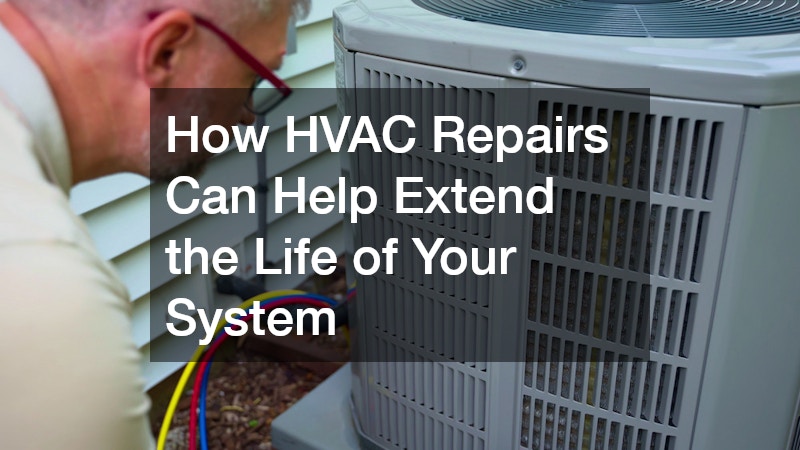
Addressing mechanical hiccups the exact moment they arise is the single most effective strategy for preventing premature system death and saving substantial amounts of money. Ignoring unusual operating noises, strange burning smells, or severely weak airflow might temporarily save a minor diagnostic service fee today, but it virtually guarantees a substantially larger repair bill tomorrow. Professional HVAC repairs act as a highly targeted mechanical intervention, completely stopping minor issues—like a failing electrical capacitor or a tiny refrigerant leak—from triggering a cascading operational failure that could destroy the outdoor compressor entirely. When a single internal component significantly underperforms, the rest of the complex machine overcompensates by running substantially longer and drawing heavily increased electrical power, which rapidly accelerates wear on expensive internal motors. This excessive mechanical friction and intense heat are the primary historical enemies of longevity. By investing in these prompt interventions, you instantly reset the baseline operational efficiency of the unit. Consistently prioritizing fast, accurate adjustments heavily helps maintain the original manufacturer’s intended mechanical balance, guaranteeing that the vital equipment continuously runs reliably without constant, expensive interruptions.
Which Maintenance Steps Directly Prevent Premature Equipment Failure?
Proactive, detail-oriented upkeep is undoubtedly the best absolute defense against complete catastrophic system breakdowns, and strictly adhering to a structured seasonal schedule is absolutely essential. The following critical maintenance tasks are scientifically proven to significantly extend the operational life of your expensive residential climate control equipment:
Cleaning heavily soiled coils: Based on the ENERGY STAR maintenance guidelines, dirty coils drastically reduce the system’s ability to properly cool your home, causing the entire unit to run substantially longer and significantly reducing the overall functional equipment life.
Lubricating essential moving parts: Dangerous friction in heavy-duty motors exponentially increases daily electrical consumption and physically degrades the complex internal mechanisms incredibly rapidly.
Inspecting vital condensate drains: A completely plugged drain line causes severe structural water damage and heavily impacts sensitive indoor humidity levels, forcing the equipment to work significantly harder.
Tightening crucial electrical connections: Faulty internal wiring consistently creates highly unsafe daily operating conditions and instantly shortens the functional life of major electrical components.
How Do Dirty Filters and Coils Strain Your Equipment?
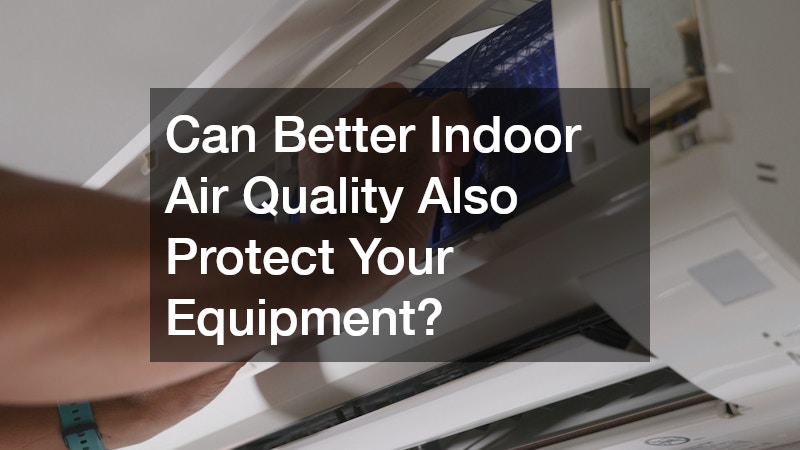
The absolute most common and thoroughly preventable root cause of early comprehensive system failure is severely restricted internal airflow, which is almost always the direct unfortunate result of filthy filters and deeply neglected internal coils. When thick, heavily accumulated dust completely clogs the intake air filter, the powerful blower motor must work exponentially harder to forcefully pull fresh air through the dense physical barrier, resulting in dangerous internal overheating and sudden, complete electrical burnout. Furthermore, dirt acts as a powerful thermal insulator when it densely coats the sensitive evaporator coils, entirely preventing the chemical refrigerant from successfully absorbing indoor heat effectively. This destructive dynamic forces the outdoor compressor to run continuously in a desperate, agonizing attempt to successfully reach the thermostat’s predetermined set temperature, thereby creating a grueling, non-stop cycle of sheer mechanical exhaustion. Routinely swapping out standard filters every one to three months consistently ensures that conditioned air moves freely, effortlessly allowing the complex machine to successfully heat and cool effectively to entirely avoid devastating internal hardware damage.
Can Better Indoor Air Quality Also Protect Your Equipment?
While most homeowners view optimal air quality purely as a human health concern, minimizing airborne pollutants is actually a vital, long-term strategy for properly preserving mechanical equipment. According to the US EPA, inadequate home ventilation allows indoor pollutant levels to increase, which directly subjects your climate control machinery to substantially higher volumes of damaging particulate matter. Upgrading your home’s ventilation dramatically reduces the daily debris load. By proactively maintaining pristine indoor air, you will automatically notice these incredible benefits:
Reduced friction: Clean air completely stops heavy dust from thickly coating internal fan blades, thereby eliminating the extra physical weight that rapidly destroys motor bearings.
Cooler operations: When critical electrical relays and internal sensors remain free of insulating dirt, the overarching system runs significantly cooler, completely preventing dangerous electronic burnout.
Extended lifespan: Eliminating these microscopic airborne threats essentially guarantees that your equipment securely delivers absolute peak operational performance until the very end of its engineered lifecycle.
Ultimately, viewing expert HVAC repairs as a preventative investment rather than an irritating expense permanently changes the financial trajectory of homeownership, keeping your daily overhead low.