

Why Home Maintenance Matters More Than Ever
Rising utility costs have made energy efficiency a top priority for homeowners. Heating, cooling, water usage, and appliance operation all contribute to monthly expenses, and even small inefficiencies can add up quickly over time. Many homeowners focus on upgrading equipment when bills increase, but regular maintenance is often one of the most effective ways to reduce energy waste without major renovations.
Neglected home systems tend to work harder than necessary. Dirty filters restrict airflow, leaking pipes waste heated water, damaged insulation allows conditioned air to escape, and aging equipment loses efficiency year after year. These issues not only increase utility costs but also shorten the lifespan of important home systems.
The good news is that homeowners can significantly lower energy consumption through preventive maintenance and smart household habits. Addressing small issues early often prevents larger repairs while improving comfort throughout the home. Whether maintaining heating equipment, improving airflow, reducing water waste, or sealing leaks, simple upgrades can lead to long-term savings.
Understanding where energy loss occurs is the first step toward creating a more efficient and affordable home.
Identify Hidden Efficiency Problems Early
One of the smartest ways to reduce energy costs is by evaluating the overall condition of the home’s major systems before problems become severe. Many homeowners do not realize how much energy they are wasting until utility bills rise dramatically or equipment begins to fail.
An aging HVAC system is one of the most common causes of excessive energy usage. Older equipment often struggles to maintain consistent temperatures, forcing it to run longer cycles and consume more electricity or fuel. Uneven heating and cooling, excessive indoor humidity, and weak airflow are all signs that efficiency may be declining.
Working with an experienced HVAC contractor can help homeowners identify hidden performance issues before they lead to expensive repairs. Professional inspections typically include checking refrigerant levels, electrical components, airflow performance, thermostat calibration, and system cleanliness.
Homeowners should also pay attention to warning signs throughout the house. Rooms that feel warmer or colder than others, constantly running equipment, or unusual utility spikes often indicate inefficiency somewhere within the system.
Routine inspections allow homeowners to make smaller adjustments instead of waiting for full system replacements. Even simple improvements such as recalibrating thermostats, sealing duct leaks, or replacing worn components can significantly improve efficiency while lowering monthly operating costs.
Improve Airflow Throughout the Home
Poor airflow forces heating and cooling equipment to work harder than necessary, increasing energy consumption and system wear. Dust buildup, blocked vents, clogged filters, and dirty ductwork all contribute to restricted airflow and reduced comfort.
One of the most overlooked maintenance tasks is professional AC duct cleaning. Over time, dust, pet hair, allergens, and debris accumulate inside ductwork, making it harder for conditioned air to circulate efficiently throughout the home. In severe cases, dirty ducts can even contribute to uneven room temperatures and poor indoor air quality.
Homeowners should replace HVAC filters regularly to maintain proper airflow. Dirty filters restrict circulation, causing the system to run longer cycles to achieve the desired temperature. In many homes, filters should be checked monthly and replaced every one to three months depending on usage and indoor conditions.
Furniture placement also affects airflow. Blocking vents with couches, rugs, or curtains prevents conditioned air from circulating properly, potentially creating pressure imbalances in the home. Keeping vents open and unobstructed helps improve overall efficiency.
Leaking ductwork is another major source of wasted energy. Small gaps or disconnected sections allow heated or cooled air to escape into attics, basements, or crawl spaces before reaching living areas. Sealing these leaks improves system performance and reduces unnecessary energy loss.
Better airflow not only lowers utility costs but also creates a more comfortable indoor environment year-round.
Prepare Heating Equipment Before Winter Arrives
Heating equipment often works hardest during the coldest months of the year, which makes preventive maintenance especially important before temperatures begin to drop. Systems that are neglected during warmer months frequently become less efficient and more prone to breakdowns when demand increases.
Homeowners with boilers should schedule routine boiler repair inspections before winter begins. Small issues such as pressure irregularities, sediment buildup, worn components, or circulation problems can reduce efficiency and increase operating costs. Addressing these concerns early often prevents emergency failures during peak heating season.
General heating repair and maintenance is just as important for furnaces, heat pumps, and other heating equipment. Strange noises, inconsistent temperatures, short cycling, or rising utility bills are all warning signs that the system may need professional attention.
Thermostat accuracy also plays a major role in heating efficiency. If the thermostat is not reading indoor temperatures correctly, the system may run longer than necessary. Calibrating or upgrading thermostats can help reduce wasted energy while maintaining better indoor comfort.
Homeowners should also inspect vents, radiators, and air returns to ensure they remain clean and unobstructed. Restricted airflow forces heating systems to work harder, potentially leading to uneven temperatures throughout the house.
Preventive maintenance not only improves energy efficiency but also extends equipment lifespan and reduces the risk of expensive winter breakdowns.
Reduce the Cost of Heating Water
Hot water usage accounts for a significant portion of household energy consumption. From showers and laundry to dishwashing and cooking, water heating systems operate daily and can quietly drive up utility bills if not maintained properly.
Older water heaters often lose efficiency as sediment accumulates inside the tank. Mineral buildup reduces heating performance and forces the unit to consume more energy to maintain water temperature. Regular flushing helps remove sediment and improve efficiency.
Scheduling professional water heater service can also help identify worn heating elements, failing thermostats, corrosion, or pressure problems before they lead to costly repairs or replacement. Routine maintenance helps the system operate more efficiently while extending its usable lifespan.
Homeowners can reduce energy usage by lowering the water heater temperature slightly. Many systems are set higher than necessary, which wastes energy while increasing the risk of scalding. A moderate adjustment often provides noticeable savings without affecting comfort.
Insulating hot water pipes can also improve efficiency by reducing heat loss as water travels through the home. Pipe insulation is especially useful in basements, garages, and crawl spaces where temperatures fluctuate more dramatically.
Upgrading aging water heaters may also provide long-term savings. Modern high-efficiency systems often use significantly less energy while providing more consistent hot water performance.
Stop Small Plumbing Issues From Wasting Energy
Many homeowners underestimate how much energy and water can be wasted through minor plumbing problems. Dripping faucets, leaking toilets, and hidden pipe issues may seem small initially, but they often contribute to higher monthly bills over time.
Routine plumbing service helps identify hidden inefficiencies before they become larger problems. Professional inspections can reveal slow leaks, corrosion, pressure irregularities, and aging fixtures that may be increasing water consumption unnecessarily.
Leaking hot water lines are particularly expensive because homeowners are paying both for the water itself and the energy required to heat it. Even small leaks can waste significant amounts of energy over the course of a year.
Experienced plumbers can also recommend more efficient fixtures and appliances that reduce water usage without sacrificing performance. Low-flow showerheads, efficient faucets, and modern toilets can dramatically reduce overall household water consumption.
Homeowners should monitor for signs of hidden leaks such as moisture under sinks, musty odors, discoloration on walls, or unexplained increases in water bills. Catching these problems early helps prevent structural damage while reducing ongoing utility costs.
Simple plumbing maintenance not only lowers monthly expenses but also protects the home from expensive repairs caused by long-term water damage.
Address Underground Water Problems Quickly
Underground plumbing problems can quietly waste enormous amounts of water before homeowners realize anything is wrong. Damaged or leaking underground pipes often remain hidden until utility bills rise significantly or visible yard damage begins to appear.
One of the clearest warning signs that water line repair may be necessary is unexplained wet areas in the yard, especially during dry weather. Reduced water pressure, muddy patches, sinkholes, or discolored water may also indicate underground pipe damage.
Older homes are particularly vulnerable because aging pipes may corrode, crack, or shift over time. Tree roots can also invade underground lines and create severe restrictions or leaks.
Addressing small underground leaks early helps prevent larger structural and landscaping problems. Ignoring damaged water lines can eventually lead to soil erosion, foundation movement, driveway damage, and expensive excavation projects.
Preventive maintenance becomes especially important in colder climates where freezing temperatures may damage vulnerable piping. Insulating exposed sections and monitoring for unusual pressure changes can help reduce the risk of winter pipe failures.
Prompt repairs help conserve water, reduce monthly utility costs, and protect the long-term condition of the property.
Seal Areas Where Energy Escapes
Air leaks are one of the most common causes of energy waste in residential homes. Even efficient heating and cooling systems struggle to maintain comfortable temperatures if conditioned air constantly escapes through gaps and poorly insulated areas.
Windows and exterior doors are common problem areas. Over time, weatherstripping deteriorates, caulking cracks, and small gaps develop around frames. These openings allow outdoor air to enter while conditioned indoor air escapes.
Attics are another major source of energy loss. Poor insulation allows heat to escape during winter and enter during summer, forcing HVAC equipment to work harder throughout the year. Adding insulation in underperforming areas often produces noticeable improvements in both comfort and energy efficiency.
Basements, crawl spaces, and utility penetrations should also be inspected for leaks. Small openings around pipes, vents, and wiring frequently allow air infiltration that increases system workload.
Door sweeps, fresh caulking, upgraded insulation, and properly sealed attic access points are relatively affordable improvements that can produce long-term savings.
Reducing air leakage helps maintain more stable indoor temperatures while lowering heating and cooling demands.
Use Smarter Temperature Control Habits
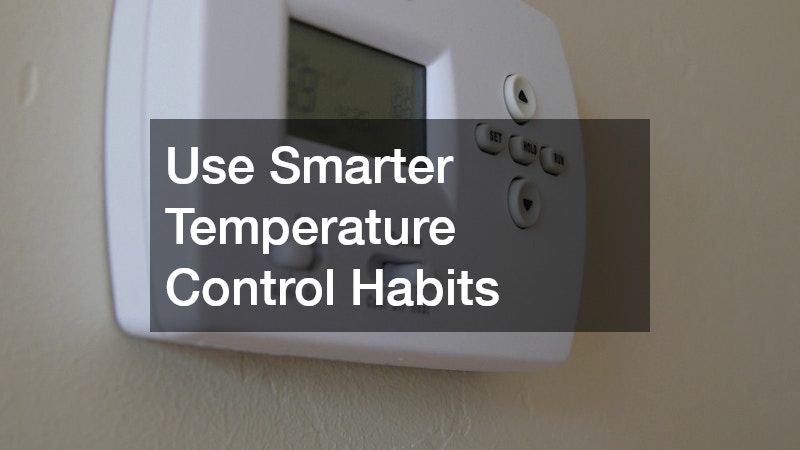
Thermostat settings have a direct impact on household energy consumption. Even efficient systems waste energy when homeowners use inconsistent or inefficient temperature management habits.
Programmable thermostats help reduce unnecessary heating and cooling by automatically adjusting temperatures during sleeping hours or when the home is unoccupied. Small temperature setbacks often produce meaningful savings over time without sacrificing comfort.
Smart thermostats offer even greater flexibility by learning household routines and adjusting settings automatically based on occupancy patterns. Some systems also provide energy usage reports that help homeowners understand where savings opportunities exist.
Avoiding extreme thermostat adjustments is also important. Rapidly changing temperatures do not heat or cool the home faster and may actually increase equipment strain. Maintaining consistent settings usually produces better efficiency.
Humidity management also affects comfort levels. During warmer months, controlling indoor humidity can make the home feel cooler without lowering thermostat settings excessively. Proper humidity control reduces strain on cooling equipment while improving indoor comfort.
Efficient thermostat habits reduce system workload and help homeowners maintain lower utility bills throughout the year.
Maintain Household Appliances Regularly
Heating and cooling systems are not the only contributors to energy consumption. Household appliances also contribute significantly to monthly utility costs, especially when maintenance is neglected.
Dryers become less efficient when lint accumulates in vents and exhaust systems. Restricted airflow forces dryers to run longer cycles, increasing energy usage while creating potential fire hazards. Cleaning dryer vents regularly improves efficiency and safety.
Refrigerators also lose efficiency when condenser coils become dusty. Vacuuming coils periodically helps improve airflow and reduce compressor strain. Homeowners should also inspect door seals to ensure cold air is not escaping unnecessarily.
Dishwashers and washing machines operate more efficiently when used with full loads instead of partial cycles. Choosing energy-efficient settings and using cold water whenever appropriate can further reduce utility costs.
Older appliances may eventually consume far more energy than newer models. While replacement requires an upfront investment, upgrading outdated appliances often produces significant long-term savings through reduced energy and water usage.
Simple appliance maintenance helps improve overall household efficiency while extending equipment lifespan.
Creating Long-Term Savings Through Consistent Care
Lowering energy costs is not about making one dramatic upgrade overnight. The most effective strategy is maintaining the entire home consistently so every system operates as efficiently as possible. Small improvements in airflow, insulation, plumbing, heating performance, and appliance maintenance often combine to create significant long-term savings.
Homeowners who stay proactive with inspections and preventive maintenance usually experience fewer emergency repairs, lower utility bills, and better indoor comfort. Addressing problems early prevents systems from working harder than necessary while extending the lifespan of expensive equipment.
Energy efficiency also improves the overall value and functionality of the home. Well-maintained systems perform more reliably, provide healthier indoor environments, and reduce unnecessary waste throughout the year.
By focusing on consistent maintenance and smart efficiency habits, homeowners can reduce monthly expenses while protecting their long-term investment for years to come.