


- There are several types of HVAC systems, and each works differently—from ducted central air and split systems to ductless mini-splits, boilers, and heat pumps—so no single option fits every home.
- Most HVAC systems move heat rather than create it, using components like furnaces, boilers, air conditioners, or heat pumps along with ducts, pipes, or air handlers to distribute air or heat.
- Ducted systems (central air and split systems) work best for homes with existing ductwork, while ductless mini-split systems are ideal for homes without ducts or for zoned temperature control.
- Heat pumps are one of the most energy-efficient HVAC options, providing both heating and cooling in one system and performing especially well in mild to mixed climates.
- Climate plays a major role in choosing the right HVAC system, with furnaces and boilers better suited for colder regions, and heat pumps or central air systems working well in warmer or mixed climates.
- Energy efficiency ratings like SEER, AFUE, and HSPF matter, as higher-rated systems usually cost more upfront but save money long-term through lower utility bills.
- Proper sizing and regular maintenance are just as important as system type, since an improperly sized or poorly maintained HVAC system can reduce comfort, efficiency, and lifespan regardless of how advanced it is.
Heating, ventilation, and air conditioning systems play a huge role in how comfortable your home feels year-round. If you’ve ever wondered why some homes rely on ducts while others don’t, or why heat pumps are suddenly everywhere, understanding the types of HVAC systems can clear things up fast. This guide breaks down what HVAC systems are, how each type works, and which ones tend to make the most sense for different homes, climates, and budgets.
Whether you’re replacing an old system, building a new home, or just want to know what’s behind the vents and outdoor units, this article covers the basics and the details without getting overly technical.
What Are HVAC Systems and Why Do They Matter?
HVAC systems control indoor temperature, humidity, and air quality. A properly sized and well-maintained system keeps your home comfortable, improves energy efficiency, and can even impact your health by filtering air and managing moisture.
Most HVAC systems handle three core jobs:
- Heating your home when temperatures drop
- Cooling your home when it’s hot
- Ventilating and filtering indoor air
Different systems combine these functions in different ways, which is why there are several types of HVAC systems to choose from.
How Do HVAC Systems Work in General?
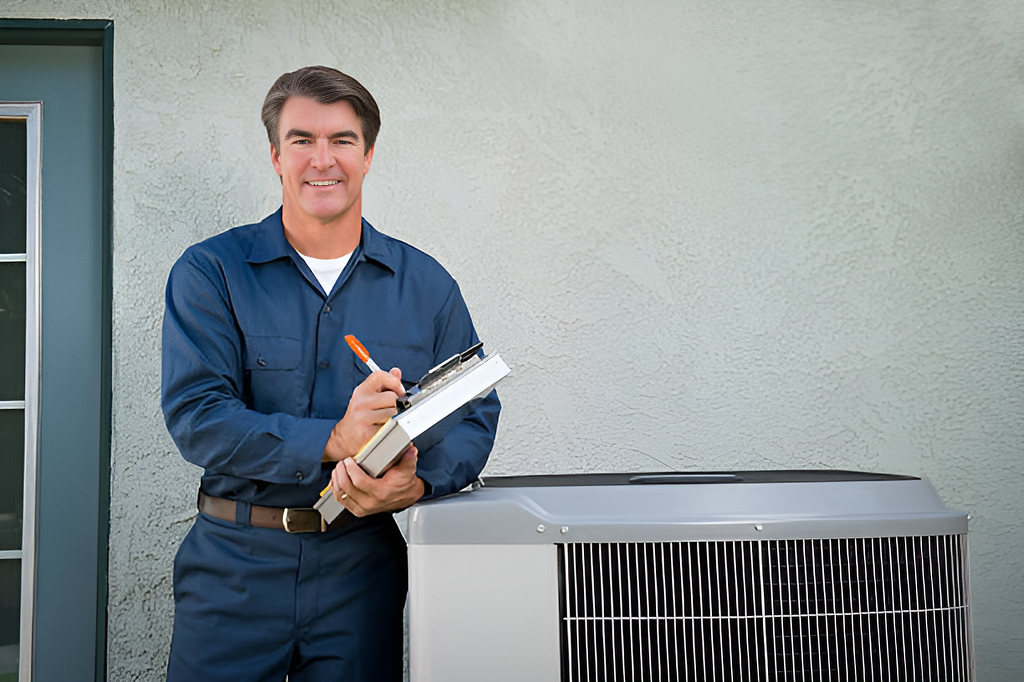
At a basic level, HVAC systems move heat rather than create it from scratch. Heating systems generate or transfer heat into your home, while cooling systems remove heat from indoor air and release it outside. Ventilation systems circulate air and remove stale air, odors, and excess humidity.
Most systems rely on:
- A heat source (furnace, boiler, or heat pump)
- A cooling component (air conditioner or heat pump)
- A distribution method (ducts, pipes, or air handlers)
- Controls like thermostats and sensors
Understanding these basics makes it easier to compare different types of HVAC systems.
What Are the Main Types of HVAC Systems?
There are several major categories of HVAC systems, each with its own setup, benefits, and limitations. The most common types include central air systems, split systems, hybrid systems, ductless mini-splits, packaged systems, boilers, and heat pumps.
Let’s break each one down and explain how it works.
What Is a Central Air HVAC System?
A central air HVAC system is one of the most common setups in single-family homes. It uses a central unit to cool the air and distributes it throughout the house using ductwork.
How Does a Central Air System Work?
Central air systems rely on:
- An outdoor condenser unit
- An indoor evaporator coil
- A furnace or air handler
- A network of ducts and vents
Warm indoor air is pulled through return vents, cooled as it passes over the evaporator coil, and then pushed back into rooms through supply vents. Heat is transferred outdoors through refrigerant lines.
Pros of Central Air Systems
- Even cooling throughout the home
- Compatible with existing ductwork
- Works well for larger homes
Cons of Central Air Systems
- Requires duct installation or maintenance
- Less efficient if ducts leak or are poorly insulated
- Cooling-only unless paired with a furnace or heat pump
What Is a Split HVAC System?
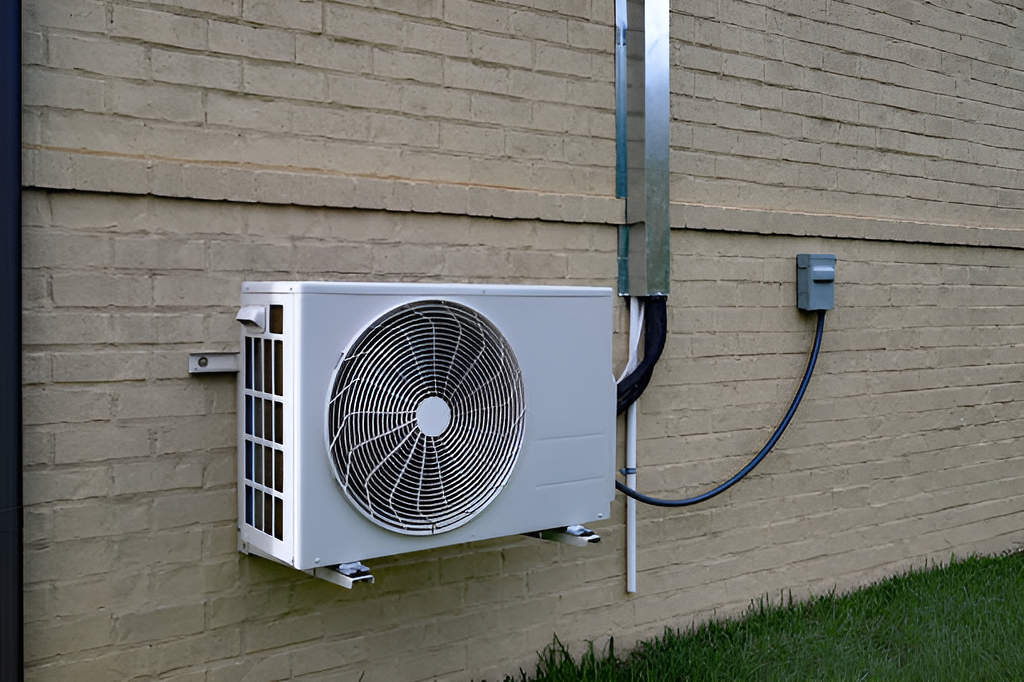
A split HVAC system is one of the most common residential setups and is often confused with central air. The key difference is that a split system includes both heating and cooling components.
How Does a Split System Work?
Split systems have two main parts:
- An outdoor unit for cooling
- An indoor unit for heating and air handling
Typically, the indoor unit is a furnace or air handler, while the outdoor unit is an air conditioner or heat pump. Ductwork distributes conditioned air throughout the home.
When Is a Split System a Good Choice?
- Homes with existing ductwork
- Homeowners who want separate heating and cooling components
- Areas with distinct heating and cooling seasons
What Is a Hybrid HVAC System?
Hybrid HVAC systems combine a traditional furnace with a heat pump, allowing the system to switch between energy sources depending on outdoor conditions.
How Does a Hybrid System Work?
In mild weather, the heat pump handles heating and cooling efficiently. When temperatures drop too low for the heat pump to operate efficiently, the furnace takes over.
Benefits of Hybrid HVAC Systems
- Improved energy efficiency
- Lower utility bills in mixed climates
- Automatic switching for optimal performance
Drawbacks to Consider
- Higher upfront cost
- More complex system with additional components
What Are Ductless Mini-Split HVAC Systems?
Ductless mini-split systems are gaining popularity, especially in homes without existing ductwork or in room additions.
How Do Ductless Systems Work?
Ductless systems consist of:
- An outdoor compressor
- One or more indoor air-handling units
Each indoor unit is mounted on a wall or ceiling and cools or heats a specific zone. Refrigerant lines connect indoor units to the outdoor compressor.
Advantages of Ductless Mini-Splits
- No ductwork required
- Zoned temperature control
- High energy efficiency
- Quiet operation
Limitations of Ductless Systems
- Higher upfront cost per room
- Indoor units are visible
- May require multiple units for whole-home coverage
What Is a Packaged HVAC System?
Packaged HVAC systems combine all heating and cooling components into a single outdoor unit.
How Does a Packaged System Work?
The entire system sits outside the home, usually on the ground or roof. Conditioned air is delivered indoors through ductwork that connects to the unit.
Where Are Packaged Systems Commonly Used?
- Smaller homes
- Mobile homes
- Commercial buildings
- Homes with limited indoor space
Pros and Cons of Packaged HVAC Systems
Pros:
- Space-saving design
- Easier installation
- All components in one location
Cons:
- Less efficient than split systems in some cases
- Outdoor exposure can increase wear and tear
What Is a Heat Pump HVAC System?
Heat pump systems are one of the most versatile and energy-efficient types of HVAC systems available today.
How Do Heat Pumps Work?
Heat pumps transfer heat rather than generate it. In summer, they move heat out of your home to cool it. In winter, they pull heat from the outside air or ground and move it indoors.
Types of Heat Pumps
- Air-source heat pumps
- Ground-source (geothermal) heat pumps
- Ductless heat pump systems
Why Are Heat Pumps So Popular?
- High energy efficiency
- Lower carbon emissions
- Heating and cooling in one system
Potential Downsides
- Reduced efficiency in extremely cold climates without backup heat
- Higher installation costs for geothermal systems
What Is a Boiler-Based HVAC System?
Boilers are a common heating solution, especially in older homes and colder regions.
How Does a Boiler System Work?
Boilers heat water and distribute it through:
- Radiators
- Baseboard heaters
- Radiant floor systems
Unlike forced-air systems, boilers do not use ducts to distribute heat.
Benefits of Boiler Systems
- Even, comfortable heat
- Quiet operation
- No air movement, which reduces dust circulation
Limitations of Boilers
- No built-in cooling
- Higher installation costs
- Slower temperature adjustments
What Are Radiant Heating Systems?
Radiant heating systems warm surfaces rather than air, creating consistent and comfortable indoor temperatures.
How Radiant Heating Works
Radiant systems use heated water or electric elements installed under floors, in walls, or in ceilings. Heat radiates upward into living spaces.
Why Homeowners Choose Radiant Heating
- Even heat distribution
- No drafts or cold spots
- Works well with boilers or heat pumps
Things to Keep in Mind
- Installation is easiest during new construction
- Repairs can be more complex
- Cooling requires a separate system
How Do HVAC Systems Handle Ventilation?
Ventilation is often overlooked but is a critical part of HVAC performance.
Common Ventilation Methods
- Natural ventilation through windows
- Mechanical ventilation systems
- Energy recovery ventilators (ERVs)
- Heat recovery ventilators (HRVs)
Proper ventilation improves indoor air quality by removing pollutants, moisture, and stale air while bringing in fresh outdoor air.
Which Types of HVAC Systems Are Best for Different Climates?
Climate plays a major role in choosing the right HVAC system.
HVAC Systems for Hot Climates
- Central air conditioning
- Ductless mini-splits
- Heat pumps with high SEER ratings
HVAC Systems for Cold Climates
- Furnaces
- Boilers
- Cold-climate heat pumps with backup heat
HVAC Systems for Mixed Climates
- Hybrid systems
- Heat pumps
- Split systems with efficient furnaces
How Energy Efficient Are Different HVAC Systems?
Energy efficiency varies widely among the types of HVAC systems.
Key Efficiency Ratings to Know
- SEER for cooling efficiency
- AFUE for furnace efficiency
- HSPF for heat pump heating efficiency
Systems with higher ratings typically cost more upfront but save money over time through lower energy bills.
What HVAC System Is Best for Your Home Size?
Home size affects system selection and performance.
Small Homes and Apartments
- Ductless mini-splits
- Packaged systems
- Compact heat pumps
Medium to Large Homes
- Split HVAC systems
- Central air with furnaces
- Hybrid systems
Proper sizing is critical. An oversized system cycles too often, while an undersized system struggles to keep up.
How Much Maintenance Do HVAC Systems Require?
All HVAC systems need routine maintenance to perform well and last longer.
Common Maintenance Tasks
- Changing air filters
- Cleaning coils
- Inspecting ductwork
- Checking refrigerant levels
Maintenance needs vary by system type, but regular service can prevent breakdowns and improve efficiency.
How Long Do HVAC Systems Typically Last?
Lifespan depends on system type, usage, and maintenance.
Average Lifespans by System Type
- Furnaces: 15–20 years
- Central air conditioners: 12–15 years
- Heat pumps: 10–15 years
- Boilers: 20–30 years
Replacing an aging system with a modern, efficient model can significantly reduce energy costs.
How Do You Choose the Right HVAC System?
Choosing among the types of HVAC systems comes down to a few key factors.
Questions to Ask Before Choosing
- What climate do you live in?
- Does your home already have ductwork?
- What is your budget for installation and operation?
- Do you want zoned temperature control?
- Are energy efficiency and sustainability priorities?
A professional HVAC assessment can help match your home with the right system size and type.
Final Thoughts
Understanding the types of HVAC systems makes it easier to choose a setup that fits your home, climate, and lifestyle. From traditional furnaces and central air to modern heat pumps and ductless systems, each option has its place.
The best HVAC system isn’t always the most expensive or the most advanced. It’s the one that delivers consistent comfort, reasonable energy costs, and long-term reliability for your specific needs. Taking the time to understand how each system works puts you in a much better position to make a smart, confident decision.