
Every home depends on a network of essential systems that keep daily life comfortable and functional. Heating, cooling, plumbing, and hot water systems all work quietly behind the scenes to maintain a safe and livable environment. While homeowners may not think about these systems every day, they become impossible to ignore when something stops working properly.
Eventually, every homeowner faces the same difficult question: should a system be repaired or replaced? In many cases, a simple repair can restore performance and extend the life of the equipment. In other situations, continuing to repair an aging system may lead to higher long-term costs and more frequent breakdowns. Making the right decision requires understanding how these systems function, recognizing warning signs of failure, and evaluating both short-term and long-term costs.
This guide will help homeowners understand how to evaluate the condition of their major home systems. By learning what to watch for and when to call professionals, homeowners can make smarter decisions that protect their homes, their comfort, and their budgets.
Understand the Typical Lifespan of Major Home Systems
One of the most important factors in deciding whether to repair or replace a system is its age. Every major mechanical system in a home has a general life expectancy, and understanding these timelines can help homeowners determine when repairs are worthwhile and when replacement may be inevitable.
Understanding HVAC System Maintenance
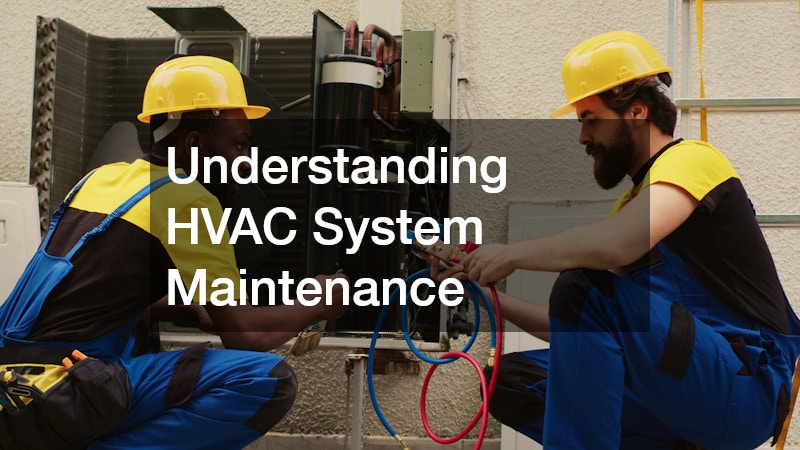
In most households, heating and cooling systems constitute some of the most substantial and crucial investments when it comes to maintaining a comfortable living environment. These systems, which are collectively known as HVAC (heating, ventilation, and air conditioning), play a pivotal role throughout the seasons, providing warmth during the chilly winter months and a refreshing, cool atmosphere during the blazing heat of summer.
Given the significant role HVAC systems play, their maintenance is of paramount importance. Engaging in routine maintenance activities conducted by skilled HVAC contractors is a prudent way to protect and extend the longevity of these vital systems. By ensuring these systems are kept in prime condition, you are curbing the need for premature replacements which can be quite costly. Regular inspections are key in the early detection of potential problems before they escalate into major issues. During these inspections, technicians can identify worn parts or components that may be on the brink of failure. For instance, replacing a frayed fan belt or a malfunctioning thermostat during an inspection can prevent sudden breakdowns, saving you from potentially expensive emergency repair costs. In addition to inspections, cleaning is an integral part of HVAC maintenance. Dust and debris tend to accumulate in vents, filters, and ducts over time, hindering efficient airflow and putting an unnecessary strain on system components. Professional cleaning services help alleviate this by thoroughly removing any buildup that could impede your system’s operations.
Typical lifespan estimates for major home systems include:
- Central air conditioning units: approximately 10–15 years
- Furnaces and heating systems: approximately 15–20 years
- Tank water heaters: typically 8–12 years
- Tankless water heaters: often 15–20 years
- Plumbing systems: anywhere from 30–70 years depending on materials
Even if a system continues to function beyond its expected lifespan, efficiency and reliability often decline over time. Older systems may require frequent repairs, consume more energy, and struggle to maintain consistent performance.
Homeowners who track installation dates and maintenance records gain valuable insight when deciding whether repairs are still practical. When a system approaches the end of its expected lifespan, replacing it may offer better reliability and lower operating costs than continuing to repair aging components.
Identify Warning Signs That Repairs May No Longer Be Enough
Many systems show clear warning signs when they begin to fail. Recognizing these signs early can help homeowners avoid sudden breakdowns and make more informed repair or replacement decisions.
For example, experienced air conditioner installers frequently encounter situations where homeowners have invested in repeated repairs on an aging cooling unit. While those ac services may temporarily restore functionality, the system continues to struggle because the underlying components are worn out.
A commercial hvac repair company often uses similar evaluation methods when working with businesses. When repair costs begin to add up or performance continues to decline, replacing the system becomes a more reliable long-term solution.
Homeowners should watch for several common warning signs that may indicate a system is reaching the end of its life:
- Rising utility bills without any change in household energy usage
- Frequent service calls for the same system
- Uneven temperatures or inconsistent airflow
- Loud or unusual noises such as rattling, grinding, or banging
- Systems that run constantly but fail to reach the desired temperature
When these issues appear repeatedly, repairs may only provide temporary relief. A professional technician can evaluate the condition of the equipment and determine whether replacement would offer better long-term value.
Evaluate Water Heater Problems Carefully Before Making a Decision
Water heaters are one of the most heavily used appliances in a home. They provide hot water for showers, cooking, cleaning, and laundry, often operating multiple times throughout the day. Because of this constant demand, water heaters eventually experience wear and tear that affects their performance.
Some problems can be resolved through simple maintenance or repairs. However, more serious issues may signal the need for hot water heater installation. Internal corrosion, aging components, or repeated heating element failures can make continued repairs impractical.
When technicians perform water heater installation, they often discover that older units were operating inefficiently for years before the homeowner noticed a problem. Newer systems can heat water more efficiently while reducing energy consumption.
Homeowners should pay attention to several warning signs that may indicate a water heater is nearing the end of its useful life:
- Rust-colored water coming from hot water taps
- Water pooling around the base of the tank
- Unusual popping or rumbling sounds during operation
- Inconsistent hot water supply or rapidly cooling water
- A water heater that is more than a decade old
These symptoms may indicate sediment buildup, corrosion, or failing internal components. While some issues can be repaired, others suggest that replacing the system will provide better reliability and efficiency.
Schedule Professional Inspections Before Making Major Decisions
Before deciding whether to repair or replace a major home system, homeowners should seek professional evaluations. Experienced technicians have the training and equipment necessary to identify underlying problems that may not be visible during a simple visual inspection.
Plumbers often play a key role in diagnosing problems with water heaters, pipe systems, and water pressure. They can determine whether issues originate from the appliance itself or from problems within the plumbing system.
More complex evaluations may require the expertise of plumbing contractors, who assess the condition of the entire water distribution system within a home. These professionals examine pipe materials, connection points, drainage systems, and potential areas of corrosion.
During a professional inspection, technicians may perform several important assessments:
- Checking pipe pressure and flow rates
- Inspecting fittings and connections for leaks
- Evaluating water heater components and heating elements
- Examining pipe materials for signs of corrosion or wear
- Reviewing previous maintenance records
These inspections provide valuable information that helps homeowners make confident decisions about whether repairs are worthwhile or whether replacement would offer better long-term reliability.
Compare Repair Costs With Replacement Costs
Financial considerations play a pivotal role in determining whether to undertake repairs on an existing system or to invest in a completely new replacement. Initially, opting for repairs can often seem like the more economical choice because the upfront costs are usually lower than a full replacement. However, it is important to consider the potential for these expenses to accumulate quickly. For instance, when a system requires frequent servicing, each service call — including labor and parts — contributes to the overall cost. Over time, these repeated service visits can result in expenses that escalate sharply, eventually approaching or even surpassing the cost of purchasing a new system. Therefore, while the appeal of immediate savings from repairs is understandable, it is essential to evaluate the long-term financial implications to ensure a cost-effective decision.
Businesses working with a commercial hvac repair company frequently apply similar decision-making strategies. When equipment repairs become frequent and expensive, replacing outdated systems often reduces operational costs and prevents unexpected downtime.
Homeowners should consider several factors when comparing repair and replacement costs:
- Cost of replacement parts and labor
- Frequency of required repairs
- Energy efficiency differences between old and new systems
- Warranty coverage for new equipment
- Potential savings on future maintenance
While a replacement system may require a larger upfront investment, it can often provide lower operating costs and improved reliability over time.
Consider Energy Efficiency Improvements When Upgrading Systems
Energy efficiency has become an increasingly important factor when evaluating home systems. Older equipment often consumes more energy while delivering less consistent performance.
Air conditioner installers frequently recommend modern cooling systems designed to use less electricity while providing better temperature control. These systems often include improved compressors, smart thermostats, and advanced airflow designs that enhance overall efficiency.
Homes that rely on heating oil may also benefit from modern systems supplied by home heating oil companies that offer more efficient equipment. Upgrading heating systems can significantly reduce fuel consumption and lower annual heating costs.
Energy efficiency improvements can provide several advantages:
- Reduced monthly utility bills
- More consistent indoor temperatures
- Lower environmental impact
- Improved home comfort
- Increased property value
Replacing outdated equipment with energy-efficient models can provide long-term savings while improving overall performance.
Understand Specialized Heating Equipment and Industrial Services
Some homes or properties rely on specialized heating systems that require unique maintenance and evaluation. These systems may include advanced heating technologies used in certain environments or older heating equipment that requires specialized servicing.
In some situations, maintaining heating components may involve processes provided by a local heat treating service. These services help maintain the strength and durability of metal components used in heating systems and other equipment.
Property owners with specialized heating equipment should consider several factors when evaluating repair or replacement decisions:
- Availability of replacement parts for older equipment
- Cost of specialized maintenance services
- Efficiency improvements available in modern systems
- Safety considerations associated with aging equipment
Understanding how these specialized services support heating systems can help homeowners and property managers make more informed decisions about maintaining or upgrading their equipment.
Create a Long-Term Maintenance Plan for Major Systems
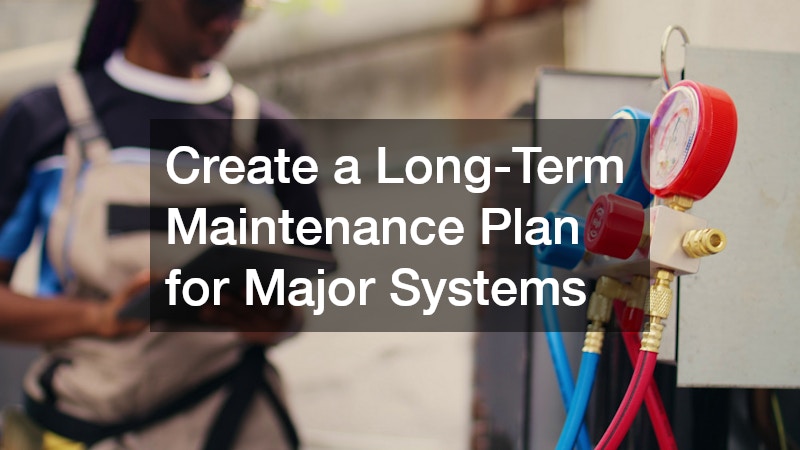
Whether homeowners choose to repair or replace major systems, ongoing maintenance is essential for protecting their investment. A proactive maintenance strategy helps extend equipment lifespan and reduces the risk of sudden failures.
Routine inspections and preventative maintenance allow technicians to identify potential problems early. Addressing minor issues quickly often prevents them from developing into major repairs.
An effective maintenance plan may include several key practices:
- Scheduling annual inspections for heating and cooling systems
- Flushing water heaters to remove sediment buildup
- Replacing air filters regularly to improve airflow
- Inspecting plumbing connections for leaks
- Monitoring system performance throughout the year
Homeowners who invest in routine maintenance often experience fewer breakdowns and lower long-term repair costs.
Major home systems play a vital role in maintaining comfort, safety, and convenience in everyday life. When these systems begin to fail, homeowners must decide whether repairs will provide a reliable solution or whether replacing the equipment offers better long-term value.
By understanding system lifespans, recognizing warning signs of failure, and consulting experienced professionals, homeowners can make informed decisions that protect both their homes and their budgets. Evaluating repair costs, considering energy efficiency improvements, and planning for future maintenance all contribute to smarter decision-making.
Taking a proactive approach to system care ensures that heating, cooling, and plumbing systems continue to operate efficiently for years to come. With the right knowledge and professional guidance, homeowners can confidently navigate the repair-versus-replacement decision and maintain a comfortable, dependable living environment.