
Regular HVAC maintenance is essential for efficiency, cost-effectiveness, and health, aiding homeowners and businesses in maintaining optimal systems.
1. Why is HVAC Preventative Maintenance Important?
1.1 Enhancing Efficiency
Efficient HVAC systems reduce energy consumption and environmental impact while saving on utility bills. Regular maintenance ensures systems work optimally, minimizing component strain.
Clean filters and lubricated motors maintain airflow easily. Checking refrigerant levels and ductwork integrity prevents system errors, lowering the carbon footprint. Efficiency means achieving more with less.
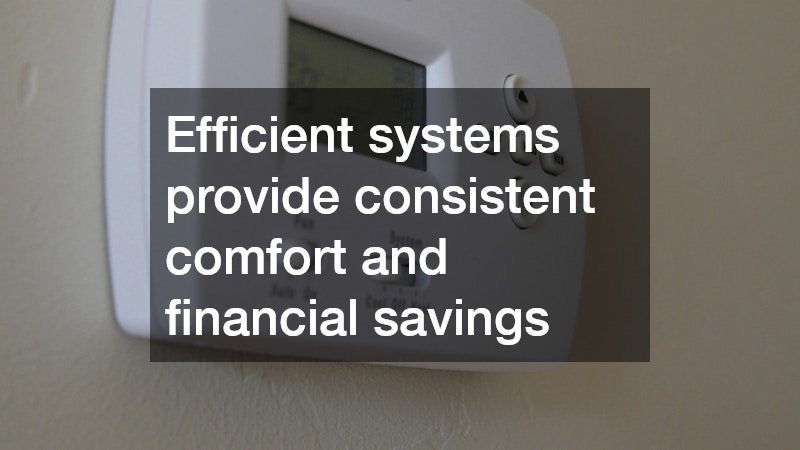
Preventative care helps maintain performance levels and saves money. Efficient systems provide consistent comfort and financial savings, proving essential for reliable HVAC solutions in homes and businesses.
1.2 Prolonging System Lifespan
Regular maintenance extends HVAC lifespan by resolving small issues early, saving on repair costs and deferring expensive replacements. Proactive care preserves valuable assets.
By cleaning components and replacing worn parts, HVAC deterioration is reduced, delaying the need for new purchases and ensuring cost efficiency.
Regular maintenance prolongs system elements’ efficiency and durability, impacting lifespan positively. This approach secures returns on servicing investment and demonstrates proactive maintenance’s importance.
1.3 Improving Air Quality
A maintained HVAC system improves indoor air quality, crucial for health. Regular maintenance includes cleaning filters and ducts to prevent contaminants and promote healthier air circulation.
Efficient filter maintenance and duct cleanliness protect indoor air quality, acting against bacteria and viruses. Consistent inspections ensure clean air flows, enhancing wellbeing and comfort.
High-quality indoor air, combined with thermal comfort, reduces the risk of sick building syndrome and underscores the value of HVAC preventative measures.
1.4 Reducing Repairs and Costs
Routine maintenance reduces unexpected breakdowns and repair costs by preventing issues before they escalate. This enhances reliability and smooth operation year-round.
A predictable maintenance schedule helps budget for costs, eliminating surprises. Reducing complex repairs aligns with risk mitigation and financial stewardship.
Fewer repairs ensure reliable operations, reducing interruptions, especially in commercial environments. This financial prudence underscores the significance of regular maintenance.
2. What Does HVAC Preventative Maintenance Involve?
2.1 Regular Inspections
Systematic inspections ensure HVAC components function optimally. Technicians assess thermostats, coils, and drains, addressing issues to maintain consistent operation and safety standards.
Inspections prevent breakdowns, aligning systems with environmental demands for seamless seasonal performance. They identify safety concerns, making evaluations essential for occupant wellbeing.
2.2 Cleaning Components
Component cleanliness ensures HVAC efficiency, minimizing strain and energy use. Cleaning filters and coils enhances system integrity and lifespan.
Clean coils prevent performance issues and excessive energy consumption. System cleanliness supports efficient operations throughout the year.
2.3 Seasonal Adjustments
Adjusting HVAC systems for weather ensures year-round efficiency and comfort. Fine-tuning extends performance, aids efficiency, and prevents peak-demand breakdowns.
2.4 System Testing and Calibration
Testing maintains system precision and efficiency. Regular checks ensure controls respond to temperature changes accurately, supporting energy efficiency and reliability.
3. How Often Should You Schedule HVAC Maintenance?
3.1 Recommended Frequency
Bi-annual servicing in spring and fall prepares systems for seasonal demands. Regular servicing maintains efficiency and reduces operational challenges.
System complexity and usage patterns influence service frequency. Residential systems benefit from semi-annual checks, while complex commercial setups may require more frequent attention.
3.2 Seasonal Preventative Maintenance Tips
Addressing season-specific tasks ensures systems handle climate demands. Pre-summer and winter checks optimize performance during critical periods.
3.3 Signs It’s Time for Maintenance
Indicators like unusual noises or higher energy bills signal the need for maintenance. Prompt attention to these signs prevents further system issues.
3.4 Cost-Benefit Analysis
Regular maintenance lowers repair expenses, offsetting its costs. Efficient systems reduce utility bills, enhancing financial management and system performance.
4. Who Should Perform HVAC Preventative Maintenance?
4.1 Professional Expertise
Certified HVAC technicians ensure optimal system performance by diagnosing and rectifying issues. Professional expertise supports sustainable, reliable HVAC care.
Professionals implement best practices, aligning systems with energy-saving and eco-friendly regulations. Advisory roles enhance system management and success.
4.2 DIY Maintenance Tasks
Homeowners can perform tasks like changing air filters to improve efficiency. DIY efforts support system life and efficiency when complemented by professional guidance.
4.3 Choosing the Right HVAC Technician
Selecting HVAC technicians involves evaluating credentials and reputation. Quality service ensures performance consistency and professional alignment with system needs.
4.4 Ensuring Compliance and Guarantees
Technician compliance with industry standards ensures safety and service quality. Guarantees protect work quality and enable follow-ups if needed.
HVAC preventative maintenance is an investment in efficiency, reliability, and health. Regular checks save money and ensure year-round comfort. Commitment to maintenance optimizes systems, improving quality of life.
Regular HVAC maintenance is essential for efficiency, cost-effectiveness, and health, aiding homeowners and businesses in maintaining optimal systems.
1. Why is HVAC Preventative Maintenance Important?
1.1 Enhancing Efficiency
Efficient HVAC systems reduce energy consumption and environmental impact while saving on utility bills. Regular maintenance ensures systems work optimally, minimizing component strain.
Clean filters and lubricated motors maintain airflow easily. Checking refrigerant levels and ductwork integrity prevents system errors, lowering the carbon footprint. Efficiency means achieving more with less.
Preventative care helps maintain performance levels and saves money. Efficient systems provide consistent comfort and financial savings, proving essential for reliable HVAC solutions in homes and businesses.
1.2 Prolonging System Lifespan
Regular maintenance extends HVAC lifespan by resolving small issues early, saving on repair costs and deferring expensive replacements. Proactive care preserves valuable assets.
By cleaning components and replacing worn parts, HVAC deterioration is reduced, delaying the need for new purchases and ensuring cost efficiency.
Regular maintenance prolongs system elements’ efficiency and durability, impacting lifespan positively. This approach secures returns on servicing investment and demonstrates proactive maintenance’s importance.
1.3 Improving Air Quality
A maintained HVAC system improves indoor air quality, crucial for health. Regular maintenance includes cleaning filters and ducts to prevent contaminants and promote healthier air circulation.
Efficient filter maintenance and duct cleanliness protect indoor air quality, acting against bacteria and viruses. Consistent inspections ensure clean air flows, enhancing wellbeing and comfort.
High-quality indoor air, combined with thermal comfort, reduces the risk of sick building syndrome and underscores the value of HVAC preventative measures.
1.4 Reducing Repairs and Costs
Routine maintenance reduces unexpected breakdowns and repair costs by preventing issues before they escalate. This enhances reliability and smooth operation year-round.
A predictable maintenance schedule helps budget for costs, eliminating surprises. Reducing complex repairs aligns with risk mitigation and financial stewardship.
Fewer repairs ensure reliable operations, reducing interruptions, especially in commercial environments. This financial prudence underscores the significance of regular maintenance.
2. What Does HVAC Preventative Maintenance Involve?
2.1 Regular Inspections
Systematic inspections ensure HVAC components function optimally. Technicians assess thermostats, coils, and drains, addressing issues to maintain consistent operation and safety standards.
Inspections prevent breakdowns, aligning systems with environmental demands for seamless seasonal performance. They identify safety concerns, making evaluations essential for occupant wellbeing.
2.2 Cleaning Components
Component cleanliness ensures HVAC efficiency, minimizing strain and energy use. Cleaning filters and coils enhances system integrity and lifespan.
Clean coils prevent performance issues and excessive energy consumption. System cleanliness supports efficient operations throughout the year.
2.3 Seasonal Adjustments
Adjusting HVAC systems for weather ensures year-round efficiency and comfort. Fine-tuning extends performance, aids efficiency, and prevents peak-demand breakdowns.
2.4 System Testing and Calibration
Testing maintains system precision and efficiency. Regular checks ensure controls respond to temperature changes accurately, supporting energy efficiency and reliability.
3. How Often Should You Schedule HVAC Maintenance?
3.1 Recommended Frequency
Bi-annual servicing in spring and fall prepares systems for seasonal demands. Regular servicing maintains efficiency and reduces operational challenges.
System complexity and usage patterns influence service frequency. Residential systems benefit from semi-annual checks, while complex commercial setups may require more frequent attention.
3.2 Seasonal Preventative Maintenance Tips
Addressing season-specific tasks ensures systems handle climate demands. Pre-summer and winter checks optimize performance during critical periods.
3.3 Signs It’s Time for Maintenance
Indicators like unusual noises or higher energy bills signal the need for maintenance. Prompt attention to these signs prevents further system issues.
3.4 Cost-Benefit Analysis
Regular maintenance lowers repair expenses, offsetting its costs. Efficient systems reduce utility bills, enhancing financial management and system performance.
4. Who Should Perform HVAC Preventative Maintenance?
4.1 Professional Expertise
Certified HVAC technicians ensure optimal system performance by diagnosing and rectifying issues. Professional expertise supports sustainable, reliable HVAC care.
Professionals implement best practices, aligning systems with energy-saving and eco-friendly regulations. Advisory roles enhance system management and success.
4.2 DIY Maintenance Tasks
Homeowners can perform tasks like changing air filters to improve efficiency. DIY efforts support system life and efficiency when complemented by professional guidance.
4.3 Choosing the Right HVAC Technician
Selecting HVAC technicians involves evaluating credentials and reputation. Quality service ensures performance consistency and professional alignment with system needs.
4.4 Ensuring Compliance and Guarantees
Technician compliance with industry standards ensures safety and service quality. Guarantees protect work quality and enable follow-ups if needed.
HVAC preventative maintenance is an investment in efficiency, reliability, and health. Regular checks save money and ensure year-round comfort. Commitment to maintenance optimizes systems, improving quality of life.
Regular HVAC maintenance is essential for efficiency, cost-effectiveness, and health, aiding homeowners and businesses in maintaining optimal systems.