

- Choosing the right HVAC system for new construction impacts comfort, energy efficiency, and indoor air quality.
- Central air is ideal for larger homes with ductwork, while ductless mini-splits offer flexible, energy-efficient zoned control.
- Heat pumps provide both heating and cooling, making them energy-efficient for mild climates, while furnaces excel in cold regions.
- Packaged systems save indoor space, and hybrid systems combine heat pumps and furnaces for year-round efficiency.
- Consider factors like home size, climate, energy efficiency, maintenance, budget, and air quality when selecting a system.
- Working with an HVAC professional ensures proper sizing, installation, and long-term system performance.
Building a new home is exciting, but it comes with a lot of decisions. One of the most important is choosing the right HVAC system. Your HVAC (heating, ventilation, and air conditioning) system controls comfort, energy efficiency, and even indoor air quality. Picking the best HVAC system for new construction can save you money in the long run while keeping your home comfortable year-round. In this guide, we’ll compare your options, highlight pros and cons, and help you make an informed choice.
What Is an HVAC System and Why Does It Matter?
An HVAC system isn’t just a fancy term for heating and cooling. It’s a complete system that manages temperature, humidity, and air circulation in your home. Choosing the wrong system can lead to high energy bills, uneven temperatures, and frequent repairs. On the other hand, a well-chosen HVAC system can:
- Provide consistent comfort in every room
- Reduce energy costs with efficient operation
- Improve indoor air quality
- Increase your home’s resale value
For new construction, the opportunity to plan and install the right system from the start is huge. Retrofitting later is often much more expensive.
What Factors Should You Consider When Choosing the Best HVAC System for New Construction?
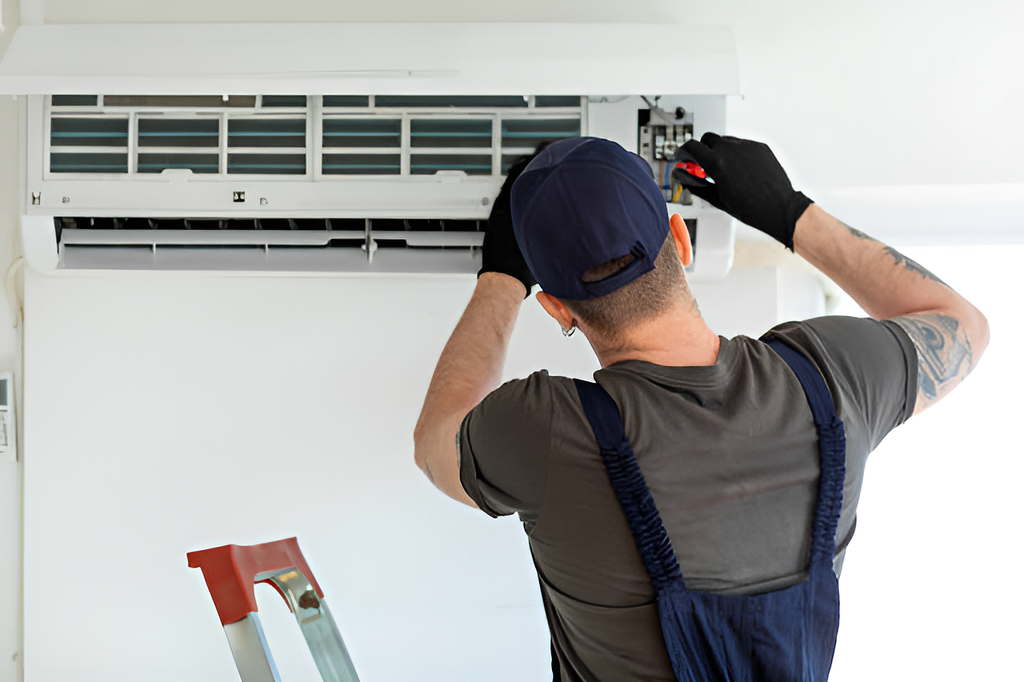
Before we dive into specific types of systems, it’s important to consider key factors that will guide your decision:
- Home size and layout – Larger homes or multi-story houses may require more powerful systems or multiple units.
- Climate – Your local weather affects whether a heat pump, furnace, or hybrid system is best.
- Energy efficiency – Look for systems with high SEER (cooling) or AFUE (heating) ratings.
- Budget – Initial installation costs vs. long-term operating costs matter.
- Maintenance needs – Some systems require more frequent upkeep than others.
- Air quality requirements – Certain systems handle filtration and humidity better.
Now let’s break down the main types of HVAC systems and see how they compare.
Central Air Systems: Are They Right for New Homes?
Central air systems are the most common choice for new construction in many parts of the country. They consist of:
- An air handler or furnace
- Ductwork running through the house
- A central air conditioner
Pros:
- Even heating and cooling throughout the home
- Compatible with smart thermostats and zoning systems
- Works well in larger homes
Cons:
- Installation can be expensive, especially if ductwork is complex
- Leaky ducts can reduce efficiency
- Less ideal for homes without space for ductwork
Central air is ideal if your new home has a traditional layout and you want consistent comfort with relatively low maintenance.
Ductless Mini-Split Systems: Flexible and Efficient
Ductless mini-splits are a growing trend in modern homes. They consist of:
- One or more indoor air handlers
- A single outdoor compressor unit
Pros:
- No need for ductwork
- Each zone can be controlled separately
- Very energy-efficient
Cons:
- Higher upfront cost per unit
- Aesthetics can be a concern if wall units are visible
- Best for smaller spaces or zoned setups rather than whole-home cooling
Ductless systems are excellent for open floor plans, room additions, or homes where traditional ductwork isn’t practical.
Heat Pumps: Combining Heating and Cooling
Heat pumps provide both heating and cooling by transferring heat from one place to another. They are particularly popular in moderate climates.
Pros:
- Highly energy-efficient, especially in mild climates
- Can provide heating and cooling with a single system
- Works well with smart thermostats
Cons:
- Efficiency drops in extremely cold weather
- Higher initial cost than traditional systems
- Some models require supplemental heating in winter
Heat pumps are a smart choice for energy-conscious homeowners who want a single system for all seasons.
Furnaces: Traditional Heating Power
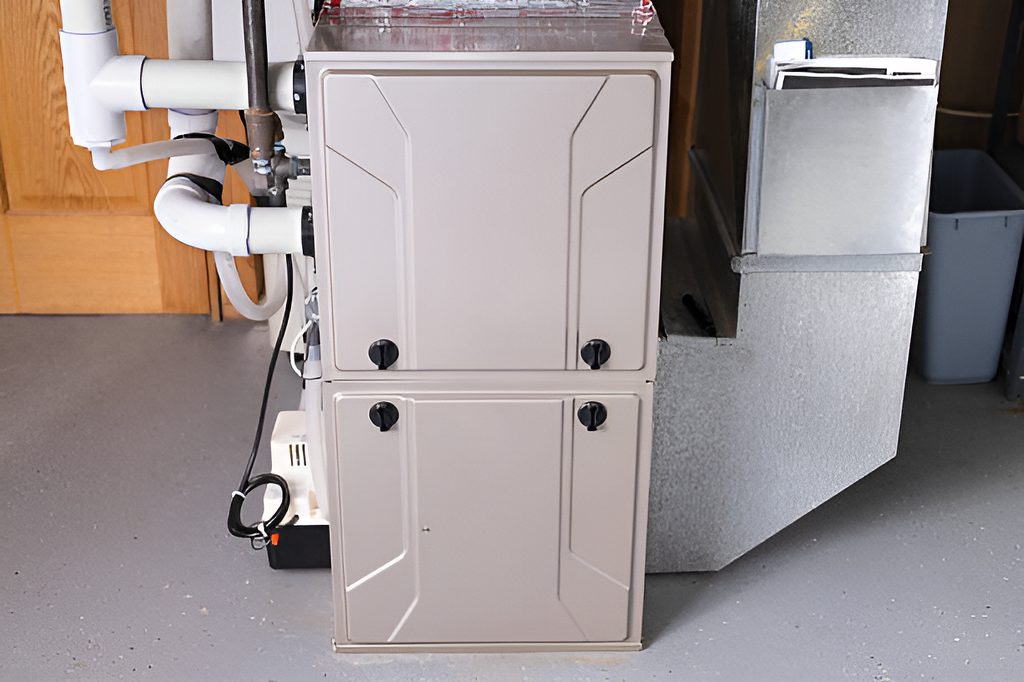
Furnaces are heating-focused systems that can be paired with a separate air conditioner. They use natural gas, propane, or electricity to generate heat.
Pros:
- Extremely reliable for heating
- Good for cold climates
- Can last 15–20 years with proper maintenance
Cons:
- Requires ductwork
- Electric models can be expensive to operate
- Doesn’t provide cooling on its own
If your new construction is in a cold region, a high-efficiency furnace paired with central air is a classic, dependable option.
Packaged Systems: All-in-One Solutions
Packaged HVAC systems combine heating and cooling components in a single outdoor unit. These are often used in homes without basements or attic space.
Pros:
- Saves indoor space
- Easy installation compared to separate systems
- Can be paired with gas, electric, or heat pump options
Cons:
- Typically less efficient than separate systems
- Limited lifespan compared to split systems
- Maintenance may require specialized technicians
Packaged systems are practical when indoor space is limited and you want a compact solution.
What About Hybrid Systems?
Hybrid systems combine a heat pump with a furnace. They automatically switch between electric heat pump operation and gas furnace depending on temperature.
Pros:
- Excellent efficiency across seasons
- Reduces heating costs in winter
- Provides comfort in extreme temperatures
Cons:
- Higher upfront cost
- More complex system requiring skilled installation
A hybrid system is perfect for homeowners who want flexibility, energy savings, and comfort in regions with variable climates.
How to Compare HVAC Options for Your New Home
When evaluating HVAC systems for new construction, consider the following checklist:
- Initial cost vs. operating cost – Sometimes a higher upfront cost pays off with lower energy bills.
- Climate suitability – Heat pumps are great in mild climates; furnaces excel in cold regions.
- Maintenance requirements – Factor in how often you’ll need service and parts.
- Zoning and control – Some systems allow you to control different rooms independently.
- Noise levels – Outdoor compressors or indoor blowers can vary in noise.
- Air quality features – Look for built-in filtration, humidity control, and ventilation options.
Tips for Getting the Most Out of Your HVAC System
Installing the best HVAC system for new construction is only part of the equation. Proper use and maintenance are crucial:
- Schedule regular maintenance – Annual tune-ups keep your system running efficiently.
- Seal ducts and insulation – Prevent energy loss and uneven airflow.
- Use programmable or smart thermostats – Save money by controlling temperature based on your schedule.
- Upgrade filters regularly – Keep indoor air clean and your system running smoothly.
- Consider zoning – Separate controls for different areas can improve comfort and efficiency.
Common Mistakes to Avoid When Choosing an HVAC System
Even with careful planning, homeowners can make mistakes that reduce system performance:
- Choosing a system based on brand name alone
- Ignoring climate-specific performance ratings
- Underestimating installation and ductwork costs
- Failing to consider long-term energy savings
- Overlooking air quality and ventilation needs
Avoiding these pitfalls will help you select a system that lasts and performs well for years.
Should You Work with an HVAC Professional?
Yes. Even if you feel confident in your knowledge, a professional can:
- Calculate proper system size for your home
- Recommend energy-efficient models that meet your needs
- Handle permits, installation, and warranty concerns
- Ensure correct ductwork and airflow design
Professional input is especially valuable for new construction, where proper installation is critical for long-term performance.
In Closing
Choosing the best HVAC system for new construction isn’t one-size-fits-all. The right system depends on your home’s size, design, climate, and budget. Central air, ductless mini-splits, heat pumps, furnaces, packaged systems, and hybrids all have their strengths and limitations.
Here’s a quick summary:
- Central air – Best for consistent comfort in larger homes with ductwork
- Ductless mini-splits – Flexible, efficient, and ideal for zoned control
- Heat pumps – Energy-efficient, great for mild climates
- Furnaces – Reliable heating, especially in cold climates
- Packaged systems – Compact solution for homes without indoor space
- Hybrid systems – Efficient across seasons, with flexible heating options
By evaluating your needs carefully and consulting an HVAC professional, you can ensure your new home stays comfortable year-round while maximizing energy efficiency and long-term value.