

Choosing the right heating and cooling solution is one of the most important decisions a homeowner can make. Comfort, energy efficiency, indoor air quality, and long-term costs are all tied to how well your system matches your home and lifestyle. Too often, homeowners wait until a breakdown forces a rushed decision, which can lead to higher expenses and ongoing frustrations.
This guide is designed to help you make informed, confident choices before problems escalate. By understanding how systems work, how professionals should evaluate your home, and how to weigh repair versus replacement decisions, you can protect your investment and enjoy reliable comfort year-round.
Heating and cooling systems operate quietly in the background, yet they influence nearly every aspect of daily life. From how well you sleep at night to how productive you feel during the day, consistent indoor comfort plays a larger role than many homeowners realize. When a system is poorly matched to a home, the effects show up in subtle but costly ways-uneven temperatures, excessive noise, poor air circulation, and rising utility bills that strain household budgets.
Making smart decisions early helps prevent these issues from becoming chronic problems. Rather than reacting to emergencies, homeowners who plan ahead can evaluate options on their own timeline, compare recommendations objectively, and prioritize upgrades that deliver lasting value. This guide walks through those considerations step by step, focusing on practical insights rather than technical jargon. Whether you are maintaining an existing system, planning an upgrade, or preparing for future needs, the goal is to help you feel informed, prepared, and confident in every decision you make about your home’s comfort.
Evaluating Your Home’s Comfort Needs Before Choosing a System

Every home has unique heating and cooling demands. Square footage, insulation quality, window placement, ceiling height, and even landscaping all influence how well a system performs. Before committing to upgrades or repairs, it’s important to take a step back and evaluate what your home truly needs from an HVAC system.
Homeowners should also consider how daily habits affect performance. Occupancy patterns, preferred temperature settings, and how often doors or windows are opened can all place different demands on a system. Homes with frequent gatherings, home offices, or pets may require more consistent airflow and temperature control. Taking note of these lifestyle factors helps ensure any solution supports real-world use, not just theoretical efficiency.
Start by paying attention to how your home feels throughout the year:
- Are some rooms consistently warmer or colder than others?
- Does the system run constantly without maintaining comfortable temperatures?
- Are energy bills steadily increasing despite no major lifestyle changes?
These issues often point to mismatched equipment, airflow limitations, or aging components. Understanding the fundamentals of your HVAC setup helps you communicate more clearly with professionals and avoid unnecessary upsells.
A simple homeowner self-assessment can include:
- Measuring temperature differences between rooms
- Checking insulation levels in attics and crawl spaces
- Observing how quickly your home heats or cools after the system turns on
When homeowners understand their baseline comfort challenges, they are far better equipped to evaluate recommendations and avoid paying for solutions that don’t address the root problem.
How to Vet an Experienced Professional Before Hiring
Not all service providers deliver the same level of expertise, and choosing the wrong HVAC contractor can lead to recurring problems, premature system failure, and wasted money. The right professional should act as an advisor, not just a salesperson.
Before agreeing to any work, homeowners should take time to evaluate credentials and communication style. A reputable professional will:
- Perform a thorough in-home evaluation instead of offering quotes sight unseen
- Explain findings in plain language without pressure
- Provide written estimates with clear scopes of work
Key questions homeowners should ask include:
- How do you determine the correct system size for a home?
- What brands or equipment types do you recommend and why?
- How do you handle permits, inspections, and warranties?
It’s also wise to look for consistency. Companies that invest in training, documentation, and follow-up support tend to deliver better long-term results. A rushed visit or vague answers are often signs to keep looking.
When Replacement Makes More Sense Than Repair
At some point, repairing an aging cooling system becomes less practical than replacement. Knowing when to transition from repairs to a full AC installation service can save homeowners from throwing good money after bad.
As systems age, components wear down unevenly, meaning one repair often reveals another issue waiting to surface. This cycle can lead to repeated service calls, unpredictable costs, and declining comfort. Older systems also tend to operate less efficiently, consuming more energy while delivering weaker performance. When repair expenses begin to approach the cost of replacement, or when breakdowns disrupt daily life, investing in a new system often provides greater reliability, improved efficiency, and better long-term value.
Common signs replacement may be the smarter choice include:
- Frequent breakdowns within a short time frame
- Rising repair costs that exceed a significant percentage of replacement cost
- Declining energy efficiency compared to modern standards
Homeowners should also consider how system age affects reliability. Most cooling systems are designed to last 10–15 years under normal conditions. As systems age, even well-maintained units can become inefficient and difficult to service due to discontinued parts.
When evaluating replacement, homeowners benefit from:
- Comparing energy efficiency ratings and long-term operating costs
- Understanding available rebates or tax incentives
- Planning installation during off-peak seasons when possible
A thoughtful replacement decision often improves comfort, lowers utility bills, and reduces stress during extreme weather.
Choosing Reliable Support for Ongoing System Issues
Even high-quality systems require occasional repairs, and having a dependable HVAC repair company makes a significant difference over time. The goal is not just fixing today’s problem but preserving the health of the entire system.
Reliable service providers focus on diagnostics first. Instead of immediately replacing parts, they take time to identify why a failure occurred and whether underlying issues are contributing to repeated breakdowns.
Homeowners should look for companies that:
- Document service history and recommendations
- Explain repair options with clear cost comparisons
- Offer maintenance plans that prevent future issues
Consistency matters. Using the same company over time allows technicians to understand your system’s history, which often leads to more accurate repairs and fewer surprises. This relationship-based approach is far more effective than calling a different provider for every issue.
Understanding the Value of Nearby Service Providers
When cooling problems arise during peak summer months, response time becomes critical. Working with professionals who specialize in local AC repair often results in faster service and better familiarity with regional climate demands.
Local providers are accustomed to handling seasonal surges in service calls and understand which issues are most common during extreme heat. This experience allows them to diagnose problems more quickly and prioritize solutions that restore comfort efficiently. In addition, nearby professionals are often more accessible for follow-up visits if adjustments are needed. That convenience and responsiveness can make a significant difference when high temperatures place added strain on both systems and households.
Local providers tend to understand:
- Common system issues caused by regional weather patterns
- Seasonal demand spikes and how to prioritize urgent calls
- Local building codes and permitting requirements
Homeowners also benefit from accountability. Companies rooted in the community rely on reputation and repeat business, which often translates into more transparent service.
When choosing nearby support, homeowners should:
- Verify service areas and response times
- Ask about emergency availability
- Check reviews that mention follow-up and reliability
Fast, knowledgeable service can prevent minor issues from turning into major failures during extreme heat.
Knowing When Heating Repairs Are Still Worth It
Cold-weather reliability is just as important as summer comfort. Deciding whether to pursue a furnace repair service or consider replacement requires careful evaluation of safety, efficiency, and cost.
Repairs may still be worthwhile if:
- The system is relatively new
- The issue is isolated and not recurring
- Efficiency remains within acceptable ranges
However, homeowners should be cautious if repairs involve critical safety components or repeated failures. Carbon monoxide risks, ignition problems, and heat exchanger issues deserve serious consideration.
To make informed decisions, homeowners should ask:
- How will this repair affect system longevity?
- Are there signs of additional components nearing failure?
- How does current efficiency compare to newer models?
Clear answers help homeowners avoid unnecessary risk while maximizing value from existing equipment.
Planning a Heating Upgrade That Delivers Long-Term Value
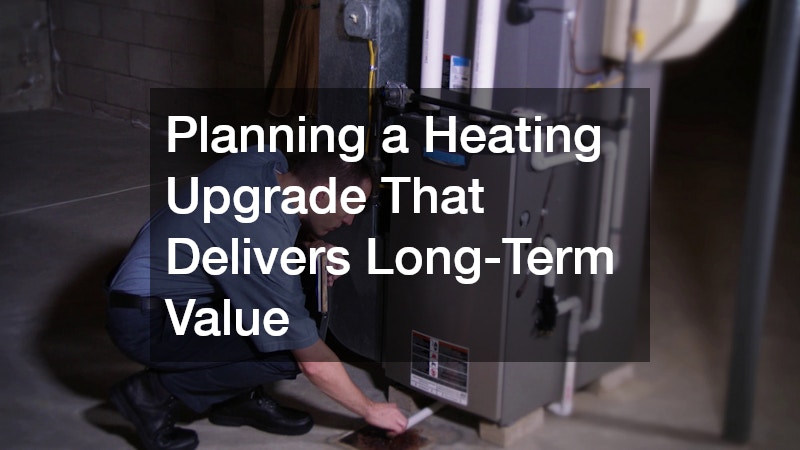
When replacement becomes inevitable, careful planning ensures a new furnace installation delivers comfort and efficiency for years to come. The installation process is just as important as the equipment itself.
Key considerations include:
- Proper sizing based on professional load calculations
- Fuel type selection and availability
- Compatibility with existing ductwork and controls
Homeowners should also prepare their home by:
- Clearing access to equipment areas
- Discussing thermostat placement and zoning options
- Reviewing warranty terms and maintenance requirements
A well-planned installation minimizes disruptions, prevents performance issues, and ensures the system operates as designed from day one.
Improving Air Quality and Efficiency Through Maintenance
Many homeowners focus on equipment but overlook the pathways that distribute air throughout the home. Over time, dust, debris, and allergens can accumulate, making duct cleaning an important consideration for both efficiency and indoor air quality.
Signs ductwork may need attention include:
- Visible dust buildup around vents
- Increased allergy symptoms indoors
- Uneven airflow between rooms
Professional cleaning can help restore proper airflow and reduce strain on the system. Homeowners should understand what legitimate service includes, such as:
- Inspection of ducts before cleaning
- Use of containment to prevent debris spread
- Verification that all accessible sections are addressed
Routine maintenance of air pathways supports healthier living spaces and helps systems operate more efficiently.
Exploring Flexible Solutions for Challenging Spaces
Not all homes are well-suited to traditional ducted systems. Additions, older homes, and rooms with inconsistent temperatures may benefit from ductless air conditioning solutions that offer flexibility and control.
These systems allow homeowners to:
- Heat or cool specific zones independently
- Avoid extensive ductwork modifications
- Improve efficiency by conditioning only occupied spaces
Before choosing this option, homeowners should consider:
- Placement of indoor units for optimal airflow
- Electrical requirements and installation logistics
- Long-term maintenance and filter access
When properly planned, ductless systems can solve comfort challenges that traditional setups struggle to address.
Why Training and Certification Matter More Than You Think
Behind every reliable system is a knowledgeable technician. While homeowners don’t need to understand technical exams, awareness of HVAC test prep and ongoing education highlights a company’s commitment to quality.
Well-trained technicians are better equipped to:
- Diagnose complex system issues accurately
- Install equipment according to manufacturer specifications
- Recommend solutions that align with building codes and best practices
Homeowners can ask simple questions such as:
- How do you keep technicians trained on new equipment?
- What certifications do your team members hold?
- How does training impact service quality?
Companies that prioritize education tend to deliver more consistent results and fewer callbacks, which ultimately benefits the homeowner.
Choosing the right heating and cooling solutions is not about finding the cheapest option or the fastest fix. It’s about understanding your home, evaluating professional guidance carefully, and making decisions that balance comfort, efficiency, and long-term value.
By approaching these decisions proactively and asking the right questions, homeowners can avoid unnecessary stress, reduce operating costs, and enjoy dependable comfort in every season. A well-chosen system, supported by informed maintenance and professional care, becomes an asset that enhances daily life and protects your home for years to come.
Beyond immediate comfort, thoughtful planning creates stability and predictability. When homeowners understand how their systems work and what signs indicate trouble, they are less likely to be caught off guard by sudden failures or expensive emergency repairs. This awareness allows for better budgeting, smarter upgrade timing, and fewer disruptions to daily routines. It also encourages preventative care, which often extends system lifespan and preserves efficiency over time.
Equally important is the confidence that comes from making informed choices. Instead of second-guessing recommendations or feeling pressured into decisions, homeowners who take an active role feel empowered and in control. That confidence translates into better conversations with professionals and more satisfying long-term outcomes.
Ultimately, heating and cooling systems are not just mechanical components-they directly influence health, comfort, and peace of mind. When chosen wisely and maintained consistently, they support a safer, more comfortable home environment that serves your household well through every season and stage of homeownership.